A green roof is not a sheet of plants laid on top of a building. It is an engineered assembly — a working roof first, a garden second — where waterproofing, drainage, root resistance, growing media, and vegetation are layered so each component does a specific job. On Atlanta's flat-roofed commercial buildings, that assembly turns an otherwise dead surface into something that manages stormwater, lowers cooling load, and protects the membrane underneath for decades longer than an exposed roof would last.
Interest in vegetative roofing across metro Atlanta has grown alongside the city's tree-canopy and stormwater priorities, tighter site-detention rules in some jurisdictions, and corporate sustainability commitments that show up in lease language and property valuations. Yet a green roof is the wrong choice for many buildings and the right one for a specific set. The difference comes down to structure, slope, intended use, and a clear-eyed view of long-term maintenance.
This guide explains how a vegetative roof is actually built, what it delivers in Georgia's climate, the structural and waterproofing realities a property owner must understand before committing, and where these systems make sense in the metro Atlanta market. The goal is to give building owners and property managers the technical grounding to evaluate a green roof proposal on its merits.
1. What a Green Roof Actually Is
The term "green roof" covers any roof surface intentionally planted with living vegetation over a waterproofing system. It is also called a vegetative roof, living roof, or eco-roof. What distinguishes it from a landscaped terrace with potted plants is integration: the plants grow in a continuous engineered profile bonded to the roof structure, not in containers set on a finished surface.
Two characteristics define every green roof. First, it is a complete roofing system that must keep water out of the building — the vegetation does not waterproof anything. Second, it is a living ecosystem that changes over time, with plants establishing, spreading, and occasionally needing replacement. A building owner who understands both halves of that definition is positioned to evaluate the system correctly. A common failure is treating the roof as landscaping and underinvesting in the waterproofing, or treating it as a roof and neglecting the horticultural maintenance the planting requires.
Green roofs sit within the broader category of commercial roofing systems and share a foundation with conventional low-slope assemblies. The waterproofing layer beneath a vegetative roof is frequently the same family of membrane used on exposed flat roofs. For context on those base systems, our overview of commercial flat roof membranes covers the TPO, EPDM, and PVC options that often serve as the waterproofing layer under a green roof.
2. The Layers That Make It Work
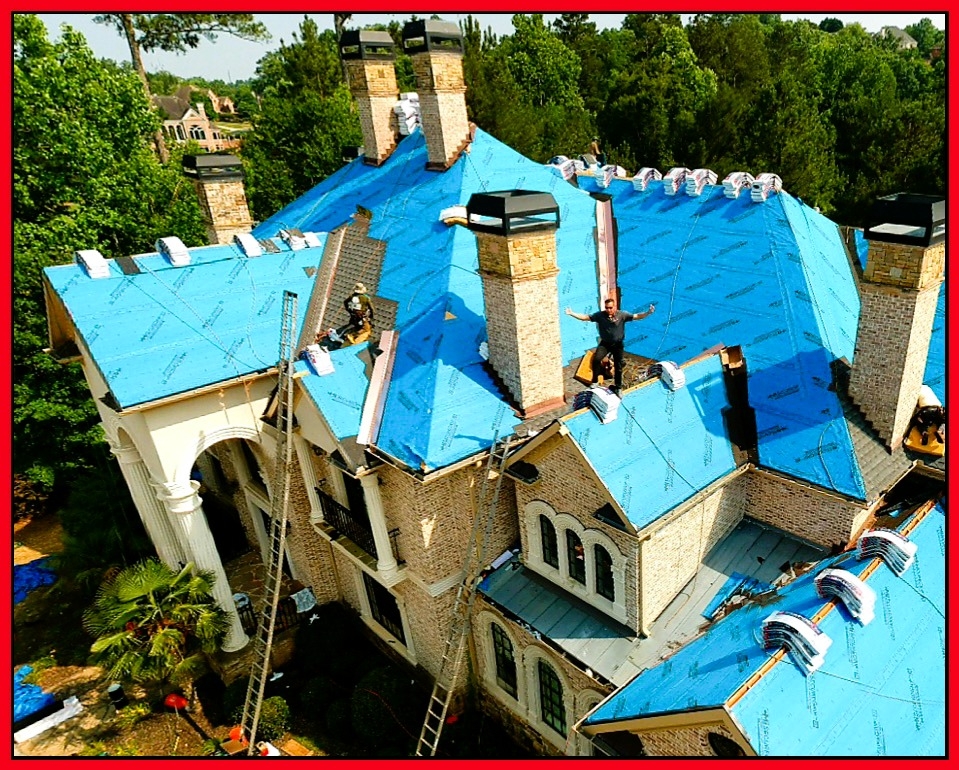
A vegetative roof is built up in distinct layers, installed from the structural deck upward. Each one has a defined function, and skipping or undersizing any of them shortens the life of the whole system. Understanding the stack is the single most useful thing a property owner can learn before reviewing a proposal.
Structural deck. Concrete, steel, or heavy timber that carries the entire saturated weight of the system. This is where the project either works or stops, and it is evaluated first.
Waterproofing membrane. A monolithic, fully adhered membrane — often a reinforced single-ply or a hot-applied modified bitumen — that keeps water out. Because repairs are difficult once planting is in place, this layer is held to a higher standard than an exposed roof and is electronically leak-tested before anything covers it.
Root barrier. A dedicated root-resistant layer, or a membrane carrying built-in root-resistance certification, prevents roots from penetrating the waterproofing. Sedum roots are shallow, but the barrier is non-negotiable insurance against the one failure mode unique to vegetative roofs.
Drainage layer. A molded dimpled sheet or aggregate course that moves excess water to roof drains while retaining a measured volume for plant uptake. This layer is what lets a green roof both detain stormwater and avoid drowning the plants.
Filter fabric. A geotextile that keeps fine growing media from washing down into and clogging the drainage layer.
Growing media. An engineered lightweight mineral blend — not native Georgia clay — formulated to hold moisture and nutrients while staying light and free-draining. Depth ranges from a couple of inches on extensive roofs to a foot or more on intensive ones.
Vegetation. Drought-tolerant sedums and grasses on extensive roofs; a wider palette of perennials and shrubs on intensive ones. The plant selection is matched to depth, sun exposure, and Georgia's heat.
3. Extensive vs. Intensive: Two Different Systems
The most consequential design decision is which category of green roof a building can support. Extensive and intensive systems differ so substantially in weight, cost, use, and maintenance that they are effectively two different products that happen to share a name.
An extensive green roof is the lightweight, low-maintenance option. Growing media runs two to six inches deep, planted with sedums and hardy grasses that tolerate drought and shallow roots. It is not designed for regular foot traffic beyond service access. Most Atlanta commercial retrofits — where structural reserve capacity is limited — begin and end with extensive systems because of their load advantage.
An intensive green roof is a true rooftop garden. Media runs eight inches to several feet deep, supporting perennials, shrubs, and small trees, and it can be designed as accessible amenity space. It carries far more weight, needs permanent irrigation and ongoing horticultural care, and demands robust structural support that usually has to be engineered into new construction. The comparison below summarizes how the two systems diverge.
| Characteristic | Extensive Green Roof | Intensive Green Roof |
|---|---|---|
| Growing media depth | 2–6 inches | 8 inches to several feet |
| Saturated weight | 15–35 lbs/sq ft | 80–150+ lbs/sq ft |
| Plant palette | Sedums, drought-tolerant grasses | Perennials, shrubs, small trees |
| Irrigation | Usually rainfall-fed once established | Permanent system required |
| Maintenance | Low — 1–2 visits per year | High — ongoing horticultural care |
| Accessible use | Service access only | Amenity space, rooftop garden |
| Best fit in metro Atlanta | Existing low-slope commercial retrofits | New construction, premium mixed-use |
For most existing Atlanta buildings, the practical question is not "extensive or intensive" but "extensive or nothing," because the structure simply will not carry an intensive load without major reinforcement. That reality is why the structural assessment, covered below, comes before any aesthetic discussion.
4. Stormwater Management in Atlanta's Climate
Stormwater performance is the strongest practical argument for a green roof in metro Atlanta. The region receives roughly 50 inches of rain a year, much of it in intense summer convective storms that send sheets of water off impervious roof surfaces and into storm sewers within minutes. That peak discharge — not total volume alone — is what overwhelms municipal systems and triggers detention requirements on commercial sites.
A vegetative roof intercepts rainfall in the growing media and drainage layer, holding a measured volume and releasing the rest slowly. An extensive system in the Southeast typically retains 45 to 60 percent of annual rainfall, with the highest capture during the light and moderate events that make up most of Atlanta's rain days. Even during heavy downpours where the media saturates, the system meaningfully flattens and delays the peak runoff rate, which is exactly what stormwater regulations target.
For a developer working against impervious-surface limits or on-site detention requirements, that retention can shrink the below-grade detention vault a site otherwise needs — sometimes enough to free up developable area at grade. When a green roof is part of a broader water-management strategy, it pairs naturally with the kind of system thinking we apply to water intrusion and drainage across a building envelope. Roof-edge and overflow detailing matters here too; a clogged drain on a green roof is a different problem than on an exposed roof, which is why the principles in our guide to protecting the roof system from overflow apply with extra force.
A green roof only performs as well as the waterproofing beneath it. The vegetation, media, and drainage layers deliver the stormwater and energy benefits — but none of it matters if the membrane underneath fails. The first dollar on any vegetative roof should go to a monolithic, root-resistant, leak-tested waterproofing system. That is where a qualified commercial roofer earns the project.
5. Energy and Heat Performance
An exposed dark commercial roof in Atlanta can reach 150°F or more on a July afternoon, driving heat into the building and forcing cooling equipment to work harder. A vegetative roof changes that dynamic through two mechanisms: the growing media acts as thermal mass and insulation, and the plants cool themselves and the surrounding air through evapotranspiration as they release moisture.
The combined effect keeps the roof surface 30 to 40 degrees cooler at peak than an exposed dark membrane, and it dampens the daily temperature swing that drives much of a roof's thermal stress. For a single-story building with a large roof relative to its conditioned volume, that translates into measurable cooling-season savings — though the magnitude depends heavily on how well the building is already insulated. On a poorly insulated roof, the green assembly delivers a large improvement; on a building already meeting current energy code, the added benefit is more modest.
Green roofs also contribute to reducing the urban heat-island effect that makes dense parts of Atlanta several degrees hotter than surrounding areas. That is a community benefit rather than a direct line item on a utility bill, but it increasingly shows up in municipal incentive programs and green-building certifications. For owners weighing thermal performance, a vegetative roof sits alongside other approaches we cover, including reflective roofing and cool roof coatings — each suited to different building types and budgets.
6. Why the Waterproofing Lasts Longer
One of the most underappreciated benefits of a green roof is what it does for the membrane beneath it. The two forces that age an exposed roofing membrane — ultraviolet radiation and thermal cycling — are precisely the two forces a vegetative assembly eliminates.
UV degradation breaks down the polymers in most roofing membranes over years of direct sun exposure, embrittling the material and opening the door to cracking. Thermal cycling — the daily expansion and contraction as a roof heats to 150°F by afternoon and cools overnight — fatigues seams, fasteners, and the membrane itself. Under a green roof, the growing media holds the membrane at a stable, moderate temperature and blocks sunlight entirely. The membrane experiences neither stressor.
The result is dramatic. A waterproofing membrane that might deliver 20 years exposed commonly lasts 40 years or more shielded beneath vegetation. European green roofs installed in the 1970s and 1980s have demonstrated membrane longevity well beyond that. For a commercial owner amortizing a roof over the life of a building, doubling membrane service life materially changes the long-term economics — even before counting the stormwater and energy benefits.
The trade-off is access. A leak under planting and growing media is far harder to pinpoint and repair than a leak on an exposed roof. This is why quality installations specify a monolithic, fully adhered membrane with as few seams as possible and frequently integrate electronic leak-detection grids that can locate a breach without excavating the entire roof. When repairs do become necessary, the diagnostic discipline resembles the work covered in our piece on thermal imaging leak detection.
Is Your Commercial Roof a Green Roof Candidate?
The answer starts with a structural and membrane assessment. Our commercial team evaluates load capacity, slope, and waterproofing condition before any system is proposed.
Call (404) 277-13777. The Structural Question Comes First
No conversation about a green roof should advance past the structural assessment. A saturated extensive system adds 15 to 35 pounds per square foot of dead load; an intensive system adds 80 to 150 pounds or more. For perspective, a conventional exposed commercial roof assembly weighs only a few pounds per square foot. The difference is not marginal, and it is permanent load the structure carries every day for the life of the building.
Most existing buildings in metro Atlanta were not designed with that reserve capacity in mind. Steel- and concrete-framed commercial structures sometimes carry enough margin to accept a lightweight extensive system after analysis; older or lightly framed buildings frequently do not, and reinforcing them can cost more than the green roof itself. The only way to know is a licensed structural engineer's evaluation of the deck, joists, beams, and columns against the saturated design load plus snow, maintenance traffic, and code-required live loads.
This is why new construction is the strongest candidate for an intensive system: the load can be designed into the frame from the start at modest incremental cost, rather than retrofitted at great expense. For existing buildings, our structural assessment process is the right starting point. Re-decking and reinforcement decisions intersect with the kind of deck-strengthening work we describe in our guide to roof deck reinforcement, and the broader assessment connects to water damage evaluation when an aging roof is already showing signs of intrusion.
Never let a green roof be installed without a stamped structural evaluation. Adding 30-plus pounds per square foot of permanent saturated load to a structure that was not engineered for it is a serious risk. A reputable commercial roofer will insist on the engineering before quoting the planting — and walk away from any project where the structure does not support it.
8. Slope, Drainage, and Roof Configuration
Green roofs are a low-slope technology. They perform best on roofs between essentially flat and a gentle pitch of about 2/12. Below a quarter-inch-per-foot minimum slope, water ponds and the growing media stays waterlogged; above roughly 10 to 15 degrees, the media and plants need engineered retention systems — grids, baffles, or terracing — to keep the whole assembly from sliding downslope over time. The flat and near-flat roofs that dominate Atlanta's commercial, institutional, and mixed-use building stock are the natural fit.
Drainage design carries more weight on a green roof than on a conventional one. Roof drains must be accessible for inspection through purpose-built drain wells or inspection chambers, not buried under planting. Overflow scuppers and secondary drains are sized for the storm events the green roof cannot fully absorb. Penetrations, parapet flashings, and edge details all need root-resistant terminations, because the planting will eventually probe every transition. These details are where green-roof experience separates a durable installation from one that leaks within a few years.
Roof access for maintenance is a design input, not an afterthought. Even a low-maintenance extensive roof needs annual service visits, and the crew needs a safe, code-compliant path. On taller buildings this intersects with the fall-protection and access planning required on any commercial roof.
9. What Maintenance Really Involves
"Low-maintenance" does not mean "no-maintenance," and the most common cause of disappointing green-roof outcomes is an owner who budgeted for the installation but not the upkeep. An extensive sedum roof in Atlanta typically needs one or two service visits per year, plus attention after extreme weather. An intensive roof needs the regular care any planted garden requires.
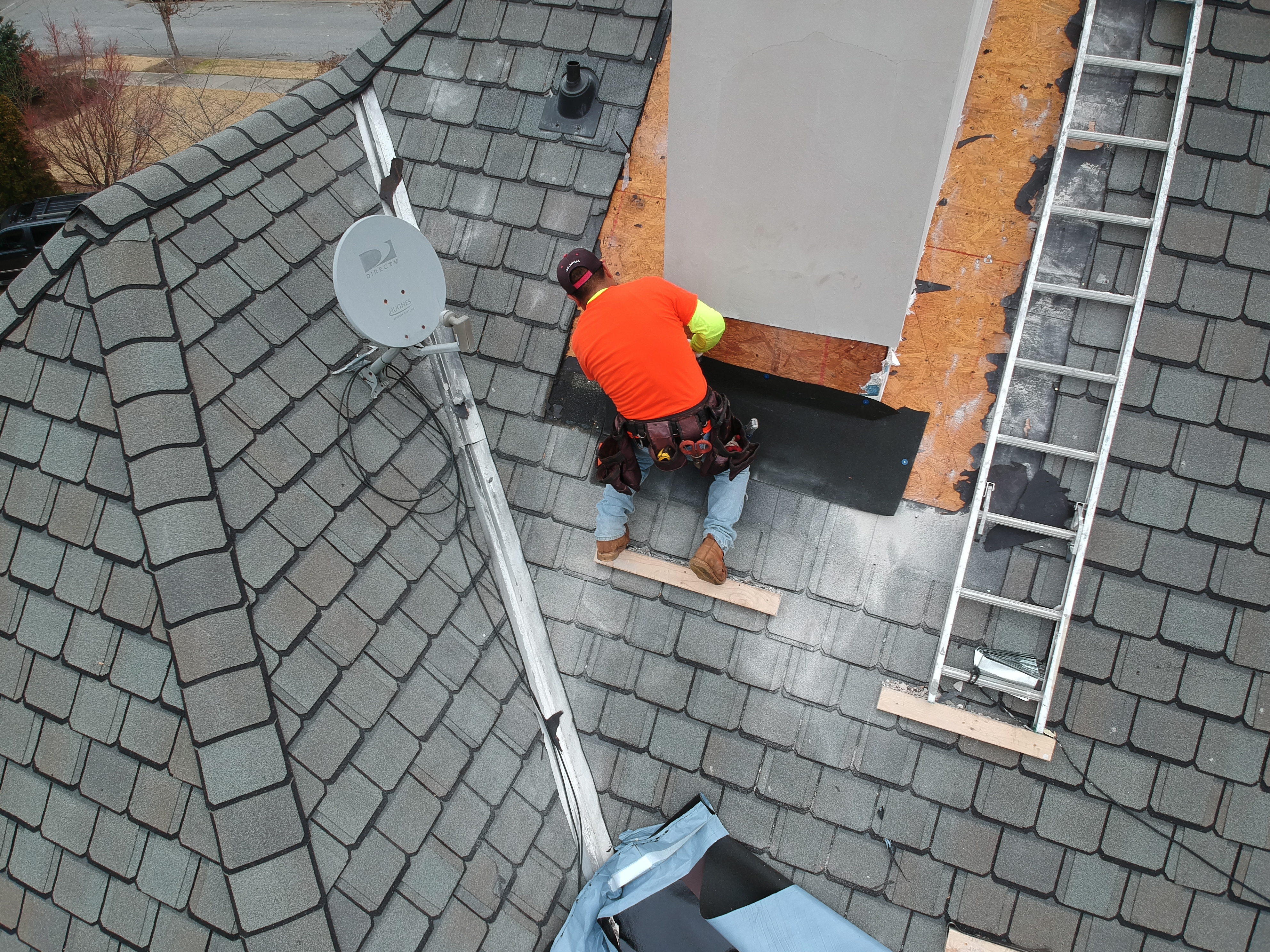
A typical maintenance visit covers several tasks. The crew clears drains, inspection wells, and overflow scuppers of accumulated debris — the single most important task, since a blocked drain on a green roof can pond water against the membrane. They weed out invasive volunteers that wind and birds deposit, before those plants establish deep roots that threaten the system. They assess plant coverage and replace bare patches to maintain the vegetation density that drives stormwater and thermal performance. They inspect edge details, flashings, and any visible membrane terminations. During the establishment period — the first one to two growing seasons — visits are more frequent and irrigation support is most important.
The discipline mirrors what we recommend for any roof in Georgia's climate, where neglected maintenance quietly compounds into expensive failure. Our seasonal roof maintenance checklist and guidance on drainage maintenance apply directly, and a structured roof asset management program is the right framework for an owner managing a green roof as a long-term building system.
10. Where Green Roofs Fit in Metro Atlanta
Green roofs are not a universal upgrade. They fit a defined set of buildings and goals, and recognizing that set is what keeps the technology from being oversold. The strongest candidates share several traits: a flat or low-slope roof, a structure with reserve load capacity or a clean-sheet new-construction design, a long ownership horizon that rewards membrane longevity, and a stakeholder who values stormwater performance, sustainability positioning, or amenity space.
In practice, that points to a recognizable list of building types across the metro area. Corporate campuses and headquarters buildings — common in the office corridors of Sandy Springs and Alpharetta — use green roofs to meet sustainability commitments and create employee amenity space. Institutional buildings such as universities, hospitals, and government facilities deploy them for stormwater compliance and demonstration value. Premium mixed-use and multifamily developments in dense submarkets like Buckhead use intensive green roofs as accessible rooftop amenities that command rent and lease premiums. New commercial construction throughout Johns Creek and the broader northern suburbs is where intensive systems are most economical, because the load is engineered in from the start.
Where green roofs rarely fit: steep residential roofs, lightly framed existing buildings without reinforcement funding, and owners with short holding periods who will not capture the long-term membrane and energy returns. For those buildings, a high-performance exposed system — a reflective membrane, a cool coating, or a durable standing-seam metal roof such as the systems in our metal roofing guide — usually delivers better value. An honest commercial roofer will tell an owner when a green roof is the wrong answer.
11. How to Evaluate a Green Roof Project
An owner or property manager considering a vegetative roof should move through a defined sequence, and any proposal that skips steps deserves scrutiny. The order matters because each stage gates the next.
It begins with a structural feasibility assessment by a licensed engineer, establishing whether the building can carry an extensive or intensive system, or neither, without reinforcement. Only after capacity is confirmed does design become meaningful. Next is a membrane and waterproofing evaluation — if the existing roof is near end of life, the green roof is built on a new membrane, not over an aging one, because no owner wants to excavate planting in five years to fix a leak. Then comes system design: media depth, plant palette, drainage and overflow sizing, irrigation strategy, and access detailing, modeled for the specific building and its stormwater goals.
Finally, a credible proposal addresses the full lifecycle — installation, establishment-period care, and a multi-year maintenance plan with defined service intervals. A green roof is a 40-year commitment to a living building system, and it should be evaluated as one. At 1 Source Roofing and Restoration, our commercial roofing team starts every green-roof conversation with the structural and membrane assessment, because those two questions determine whether the rest of the project is even possible. We will not propose a planting on a roof that cannot carry it, and we document our findings before any commitment. To understand how we approach the broader commercial relationship, see why owners choose 1 Source and our full company background.
Schedule Your Free Commercial Roof Assessment
Structural feasibility, membrane condition, drainage evaluation, and a clear recommendation — before any commitment. Serving commercial properties across Atlanta, Buckhead, Sandy Springs, and all of metro Atlanta.
(404) 277-1377 — No ObligationCertified by Industry-Leading Manufacturers