
Roof Fire Rating Code in Georgia
Georgia requires fire-classified roofing on every residential structure. This guide covers Class A, B, and C ratings, the testing standards behind them, material comparisons, and what metro Atlanta homeowners need to know about fire code compliance.
Certified by Industry-Leading Manufacturers
IRC R902: Georgia's Roof Fire Classification Requirement
IRC Section R902.1 states it in plain language: "Roofing covering materials shall have a fire classification as shown in this section." Georgia adopts this requirement through the Department of Community Affairs (DCA), making fire-classified roofing mandatory on every residential structure in the state. The code applies to new construction, roof replacements, and additions.
The fire classification system divides roofing materials into three tiers: Class A, Class B, and Class C. Each class represents a different level of fire resistance, tested under controlled laboratory conditions. The IRC references two testing standards for establishing these classifications: ASTM E108 and UL 790. Both standards use the same three test methods. They differ in who administers the test and which certification mark appears on the product packaging.
Georgia's adoption of the IRC means that every roofing material installed on a residential building must carry at least a Class C fire rating. Materials with no fire classification cannot be installed on a residential roof in this state. The code leaves no gray area: if the product lacks a tested and listed fire classification, it does not go on the roof.
Local jurisdictions across metro Atlanta enforce this requirement through the permitting and inspection process. When you pull a roofing permit in Alpharetta, Buckhead, Sandy Springs, or any other metro Atlanta municipality, the building department expects the contractor to install fire-classified materials. Inspectors verify this during the final inspection. Some jurisdictions, particularly those near wooded areas in north Fulton County and Cherokee County, have adopted stricter local amendments requiring Class A materials in designated wildland-urban interface (WUI) zones.
The fire classification applies to the roofing assembly, not just the surface material. An assembly includes the roof covering (shingles, tiles, metal panels), the underlayment, and the roof deck. A Class A shingle installed over a non-compliant deck assembly does not produce a Class A roof. This distinction matters during reroofing, where the existing deck condition affects the fire rating of the new installation. For details on deck requirements, see our roof deck and sheathing code guide.
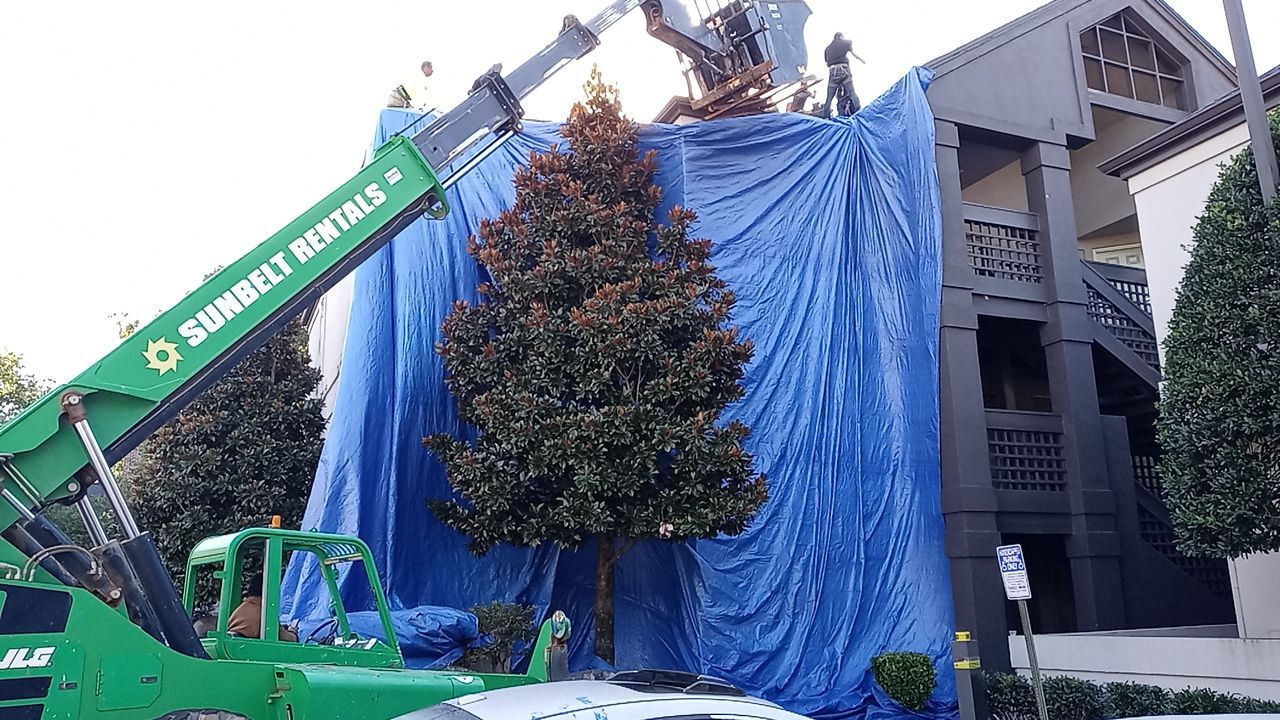
Our team at 1 Source Roofing installs fire-rated roofing systems across metro Atlanta. We verify fire classifications on every material we specify and maintain documentation for inspection compliance.
Understanding Class A, Class B, and Class C Fire Ratings
The three fire classification tiers measure a roofing assembly's resistance to external fire exposure. The testing evaluates three distinct fire behaviors: flame spread across the roof surface, the ability of burning brands to ignite the roof, and penetration of flame through the assembly to the deck below. Each class must pass all three tests at different severity levels.
Class A: Severe Fire Exposure
Class A assemblies resist severe fire exposure. During testing, a 12-inch by 12-inch burning brand (weighing approximately 2,000 grams) is placed on the roof surface while a gas flame applies direct heat. The assembly must prevent flame spread beyond 6 feet from the brand. The fire must not penetrate through the assembly to the deck. No portion of the assembly may break away as a burning brand that could ignite adjacent structures.
Class A is the gold standard for residential roofing. Most asphalt shingles manufactured today carry a Class A rating. GAF Timberline HDZ, CertainTeed Landmark, and Owens Corning Duration all achieve Class A. Metal roofing panels achieve Class A. Concrete and clay tiles achieve Class A. For homeowners in metro Atlanta, Class A represents the fire protection level that insurance carriers, HOAs, and building departments prefer.
Class B: Moderate Fire Exposure
Class B assemblies resist moderate fire exposure. The test uses a 6-inch by 6-inch burning brand (approximately 500 grams) with the same gas flame application. Flame spread must stay under 8 feet. The assembly must still prevent burn-through and must not generate airborne burning brands. Class B provides meaningful fire resistance but falls short of the Class A threshold for severe exposure.
Pressure-treated wood shakes with fire-retardant treatment sometimes achieve Class B. Certain composite roofing products test at Class B. These materials see limited use in metro Atlanta because most HOAs and many local amendments require Class A.
Class C: Light Fire Exposure
Class C assemblies resist light fire exposure. The test uses a 1.5-inch by 1.5-inch burning brand (approximately 4 grams). Flame spread must stay under 13 feet. The assembly must still prevent burn-through. Class C is the minimum fire classification the IRC permits on a residential structure.
Untreated wood shakes carry a Class C rating when installed over a fire-resistant underlayment. Some older roofing products test at Class C. Georgia code permits Class C materials, but their use in metro Atlanta has declined as homeowners, insurance carriers, and HOAs have shifted toward Class A products.
| Fire Class | Exposure Level | Brand Size | Max Flame Spread | Burn-Through |
|---|---|---|---|---|
| Class A | Severe | 12" x 12" (2,000 g) | 6 feet | Not permitted |
| Class B | Moderate | 6" x 6" (500 g) | 8 feet | Not permitted |
| Class C | Light | 1.5" x 1.5" (4 g) | 13 feet | Not permitted |
ASTM E108 and UL 790: How Roofing Fire Ratings Are Tested
Two testing standards govern roofing fire classification in the United States: ASTM E108 ("Standard Test Methods for Fire Tests of Roof Coverings") and UL 790 ("Standard Test Methods for Fire Tests of Roof Coverings"). Both use identical test procedures. The difference is organizational: ASTM E108 is published by ASTM International, while UL 790 is published by Underwriters Laboratories. Manufacturers submit products to one or both testing organizations for classification.
The test apparatus consists of a sloped test deck (typically 5:12 pitch) with the roofing assembly installed as it would be on an actual roof. Three separate tests evaluate the assembly:
Burning Brand Test
A wood crib of specified size (varying by class) is ignited and placed on the roof surface. A gas burner applies sustained flame to the crib. The test measures whether the burning brand ignites the roofing surface, whether flame penetrates to the deck, and whether the assembly produces burning fragments that drop from the deck underside. The brand sizes correspond to the classification level: 2,000 grams for Class A, 500 grams for Class B, 4 grams for Class C.
Spread-of-Flame Test
A gas burner applies flame to the lower edge of the roof assembly. The test measures how far flame travels up the roof slope during a defined exposure period. Class A limits flame spread to 6 feet, Class B to 8 feet, and Class C to 13 feet. This test simulates radiant heat and direct flame exposure from a fire at the base of the roof, such as a burning structure or vegetation adjacent to the building.
Intermittent Flame Test
A gas burner cycles on and off at timed intervals, applying intermittent flame to the roof surface. This test simulates shifting wind conditions during a wildfire or structural fire, where flame contact with the roof varies as wind gusts change direction. The assembly must resist ignition and penetration through the full test cycle.
Test results apply to the specific assembly configuration tested. A shingle that achieves Class A over plywood decking with a specific underlayment carries that rating for that assembly. Changing the deck material, the underlayment, or the installation method can alter the fire classification. This is why manufacturer installation instructions specify the complete assembly for maintaining the fire rating.
For homeowners in Johns Creek, Roswell, and Marietta, the practical takeaway is straightforward: choose products with documented Class A fire ratings, and hire a contractor who installs the complete assembly per manufacturer specifications. Our team at 1 Source Roofing follows manufacturer assembly requirements on every project because the fire rating depends on correct installation, not just correct product selection.
Verify Your Roof's Fire Rating
Our team inspects your roofing assembly and confirms fire classification compliance with Georgia code. Schedule a free inspection today.
Call (404) 277-1377Roofing Material Fire Ratings: A Comparison for Georgia Homeowners
Different roofing materials achieve different fire classifications based on their composition and the assembly they form with the underlayment and deck. Metro Atlanta homeowners choosing materials for a roof replacement should understand how each option performs under fire testing.
| Roofing Material | Typical Fire Class | Testing Standard | Notes |
|---|---|---|---|
| Asphalt shingles (architectural) | Class A | ASTM E108 / UL 790 | Fiberglass mat core provides inherent fire resistance |
| Asphalt shingles (3-tab) | Class A | ASTM E108 / UL 790 | Same fiberglass mat construction as architectural |
| Standing seam metal | Class A | ASTM E108 / UL 790 | Non-combustible material; assembly rating depends on underlayment |
| Metal shingles/panels | Class A | ASTM E108 / UL 790 | Steel and aluminum are non-combustible |
| Concrete tile | Class A | ASTM E108 / UL 790 | Non-combustible; requires structural load verification |
| Clay tile | Class A | ASTM E108 / UL 790 | Non-combustible; heavy dead load on structure |
| Slate | Class A | ASTM E108 / UL 790 | Natural stone; non-combustible; heaviest residential option |
| Synthetic slate/shake | Class A or B | ASTM E108 / UL 790 | Varies by manufacturer and polymer composition |
| Wood shakes (treated) | Class B or C | ASTM E108 / UL 790 | Fire-retardant treatment required; must be re-treated over time |
| Wood shakes (untreated) | Class C or unrated | ASTM E108 / UL 790 | Unrated shakes cannot be installed under Georgia code |
In metro Atlanta, asphalt architectural shingles dominate the residential market. Their Class A fire rating, combined with competitive pricing and a 30-to-50-year warranty range, makes them the default choice for homes in Alpharetta, Sandy Springs, and surrounding communities. The fiberglass mat at the core of modern asphalt shingles provides inherent fire resistance. Older organic-mat shingles (discontinued by most manufacturers around 2008) had lower fire performance, and any remaining organic-mat roofs should be prioritized for replacement.
Metal roofing achieves Class A because steel and aluminum are non-combustible. The assembly fire rating depends on the underlayment beneath the metal. A metal panel over a synthetic underlayment on plywood decking forms a Class A assembly. Metal roofing has grown in popularity across metro Atlanta for homeowners seeking both fire resistance and longevity.
Wood shakes present the most complex fire rating situation. Untreated cedar shakes do not achieve a fire classification acceptable under Georgia code without a fire-rated underlayment beneath them. Treated shakes with factory-applied fire retardant can achieve Class B or Class C, depending on the treatment level and the underlayment system. Several HOAs in north Fulton County and Forsyth County prohibit wood shakes due to fire risk, regardless of treatment level.
Heavy materials like slate, concrete tile, and clay tile all achieve Class A, but they introduce structural load considerations that the fire rating does not address. A homeowner cannot switch from asphalt shingles to concrete tile without verifying that the roof structure can support the additional dead load. The fire rating is excellent; the structural question is separate.
WUI Zone Fire Requirements for North Georgia Homes
The wildland-urban interface (WUI) is the zone where developed residential areas meet undeveloped wildland vegetation. North Georgia, from the foothills of the Blue Ridge Mountains through Cherokee, Forsyth, and north Fulton counties, contains significant WUI areas where homes sit within or adjacent to dense tree canopy, brush, and natural vegetation.
Georgia's building code framework allows local jurisdictions to adopt enhanced fire protection requirements in WUI zones. While the base IRC permits Class C roofing statewide, jurisdictions with designated WUI areas can mandate Class A materials through local amendment. Several north Georgia counties have moved in this direction, influenced by wildfire events in other southeastern states and by insurance carrier pressure.
For homes in WUI zones, the fire rating extends beyond the roof covering. The International WUI Code (IWUIC), which some Georgia jurisdictions reference, addresses ember-resistant venting, fire-rated soffits, and defensible space around the structure. The roof is the primary concern because embers from wildfires travel on wind currents and land on roof surfaces. A Class A roof resists ignition from these embers. A Class C roof may not.
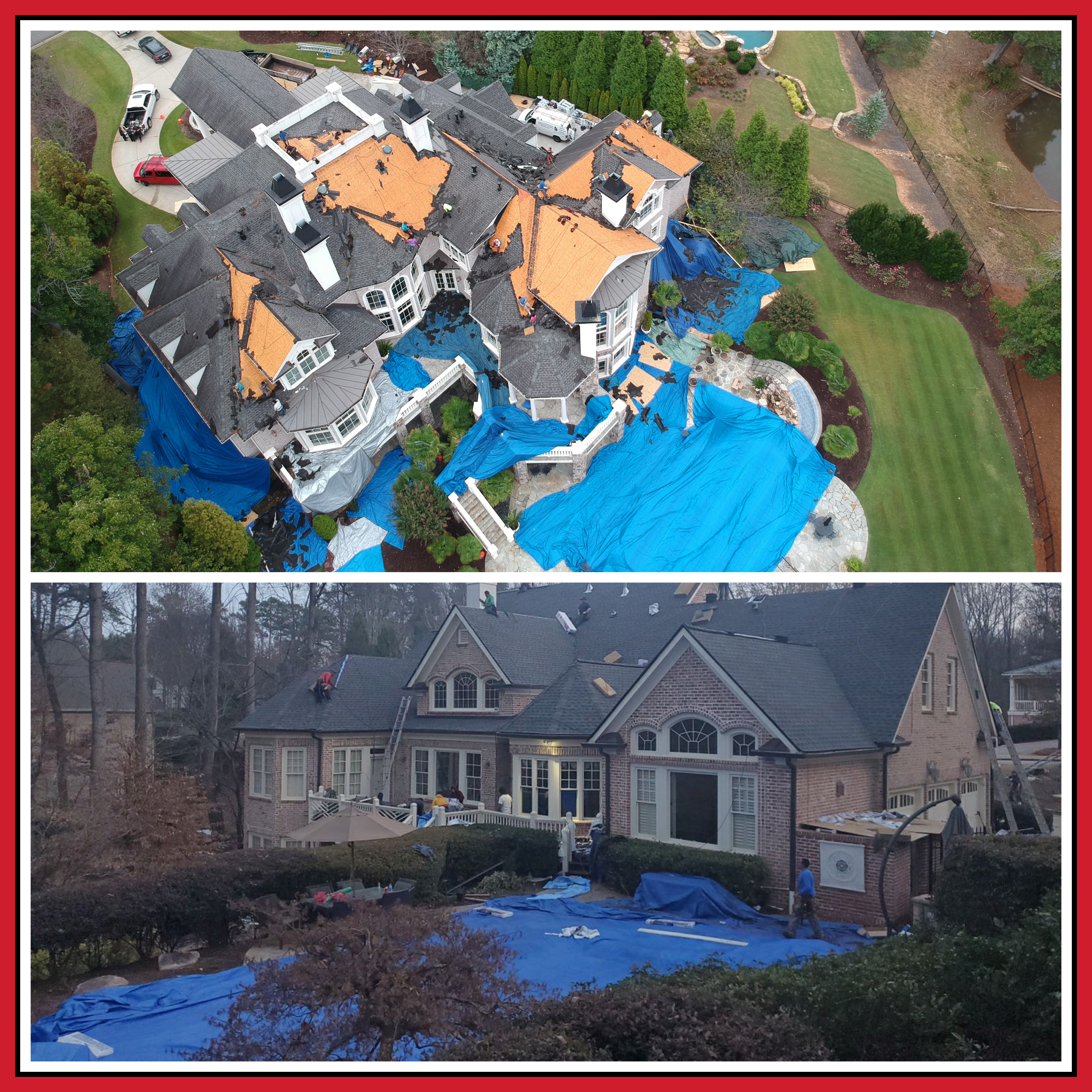
Homeowners in WUI-adjacent areas of Johns Creek, Roswell, and north Alpharetta should confirm whether their property falls within a designated WUI zone before selecting roofing materials. Your county building department maintains WUI maps, and our team can help you verify your property's classification during the initial inspection.
Insurance carriers have become the de facto enforcement mechanism for fire ratings in WUI areas. Even where local code does not mandate Class A, insurers in north Georgia's wooded communities may require it as a condition of coverage, may impose higher premiums for Class B or C materials, or may decline coverage for homes with unrated roofing. This market pressure has made Class A the functional minimum in most metro Atlanta communities, regardless of what the base code technically requires.
When HOA Fire Requirements Exceed Georgia Building Code
Homeowners associations in metro Atlanta's affluent communities set roofing standards that often exceed the base building code. While Georgia code permits Class C fire-rated materials, most HOAs in Buckhead, Sandy Springs, Alpharetta, and Johns Creek require Class A as a minimum within their architectural guidelines.
HOA architectural review committees approve roofing materials before installation begins. The review process evaluates aesthetics (color, profile, texture) and performance specifications including fire rating. Submitting a Class B or Class C material for approval in a community that requires Class A will result in rejection. Installing non-approved materials will trigger a violation notice and a mandatory replacement order at the homeowner's expense.
The most restrictive HOAs prohibit specific material categories regardless of their fire rating. Wood shakes, even with fire-retardant treatment achieving Class B, are banned in many metro Atlanta HOA communities. The prohibition reflects both fire risk and maintenance concerns, since fire-retardant treatments degrade over time and require periodic re-application to maintain their classification.
Before starting a roof replacement in an HOA community, request the current architectural guidelines from your association management company. Confirm the following fire-related requirements:
- Minimum fire classification: Most require Class A; verify the specific language
- Prohibited materials: Check for bans on wood shakes, certain composites, or other products
- Approved product lists: Some HOAs maintain a list of pre-approved shingle brands and colors
- Documentation requirements: Some HOAs require fire classification certificates from the manufacturer as part of the approval package
Our team at 1 Source Roofing handles HOA submittals across metro Atlanta. We compile the product specification sheets, fire classification documentation, and color samples that architectural review committees require. We submit the package, respond to committee questions, and secure approval before ordering materials or scheduling the installation.
How Roof Fire Rating Affects Your Georgia Homeowners Insurance
Insurance carriers in Georgia use roof fire classification as a rating factor when calculating premiums. The relationship is direct: higher fire rating produces lower fire risk, which produces lower premium cost for the fire portion of your coverage. Class A roofing represents the lowest fire risk tier. Class B and Class C materials carry incrementally higher risk scores.
The premium impact varies by carrier, by policy structure, and by location. Homes in densely wooded areas of north Fulton County or Forsyth County see larger premium differentials between fire classes than homes in developed suburban areas of Gwinnett County where vegetation density is lower. Carriers assess the combination of roof fire rating and surrounding fire exposure when setting rates.
Several Georgia insurance carriers offer fire mitigation credits for homes that exceed the minimum code requirement. If your area permits Class C and you install Class A, some carriers apply a credit to your premium. The credit amount varies, but homeowners in fire-prone areas have reported annual savings between $200 and $600 for upgrading from Class C to Class A roofing. Over a 30-year roof lifespan, that premium savings can offset a meaningful portion of the initial material cost difference.
Class A fire-rated roofing reduces your insurance premium, strengthens your HOA approval, and protects your home from fire exposure. The premium savings over a 30-year roof life can offset a significant portion of the material cost difference between Class A and lower-rated alternatives.
For insurance claim situations involving fire damage, the existing roof's fire classification affects the claims process. If a fire damages a roof that carried a Class A rating, the replacement must match or exceed that rating. Carriers will not pay to downgrade a fire classification during a claim replacement. This creates a practical mandate: once your roof carries Class A, every subsequent replacement must maintain that level.
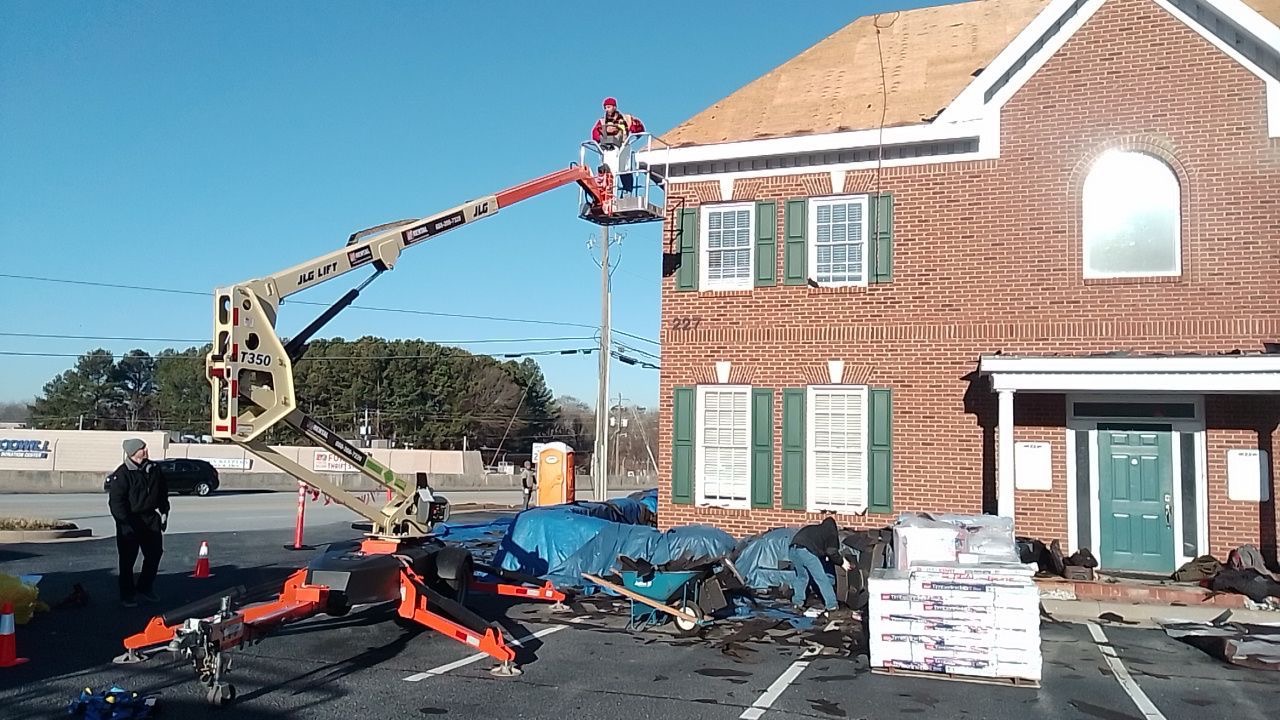
When our team at 1 Source Roofing works with your insurance adjuster on a storm damage or fire claim, we document the existing roof's fire classification as part of the scope. This documentation ensures the replacement materials meet both code requirements and insurance policy terms.
Roof Fire Rating Code: Frequently Asked Questions
Answers to common questions about fire ratings, fire code compliance, and roofing material selection in Georgia.
What fire rating do asphalt shingles carry in Georgia?
Most asphalt shingles sold in Georgia carry a Class A fire rating, the highest classification under ASTM E108 and UL 790 testing. This includes architectural shingles from GAF, CertainTeed, and Owens Corning. Class A means the shingle resists severe fire exposure, does not spread flame beyond 6 feet, and does not produce burning brands that ignite the roof deck. Always verify the specific product listing before purchase.
Does Georgia require Class A fire-rated roofing on all homes?
Georgia adopts the IRC, which requires fire-classified roofing on all residential structures. While the base IRC does not mandate Class A everywhere, many local jurisdictions in metro Atlanta require Class A through local amendments, HOA covenants, or wildland-urban interface zone designations. Check with your county building department for specific requirements in your area.
How does roof fire rating affect homeowners insurance in Georgia?
Insurance carriers in Georgia factor roof fire rating into premium calculations. Class A roofing qualifies for the lowest fire-risk premiums. Class B or C materials may trigger higher premiums or coverage limitations. Some carriers in north Georgia's wooded areas require Class A as a condition of coverage. Contact your insurer to confirm how your roof's fire classification affects your policy.
What is the difference between Class A, Class B, and Class C fire ratings?
Class A provides the highest fire resistance: effective against severe fire exposure, flame spread under 6 feet, and no burning brands. Class B is effective against moderate fire exposure with flame spread under 8 feet. Class C is effective against light fire exposure with flame spread under 13 feet. Each class is tested under ASTM E108 with burning brand tests, spread-of-flame tests, and intermittent flame tests at increasing severity levels.
Explore More Georgia Roofing Code Guides
- Georgia Residential Roofing Code Guide
- Hurricane Strap and Tie-Down Code in Georgia
- Roof Deck and Sheathing Code in Georgia
- Roof Load Requirements in Georgia
- Roof Truss and Rafter Code in Georgia
- Roofing Contractor Licensing in Georgia
- Wind Speed Requirements for Georgia Roofing
- Roof Underlayment Requirements in Georgia
- Asphalt Shingle Requirements in Georgia
- Roof Replacement Services
- Roof Repair Services
- Insurance Claims Assistance