
Cold Weather Shingle Installation — When Temperature Matters
Manufacturer-referenced guide to asphalt shingle installation in cold conditions. From 1 Source Roofing, Atlanta's GAF and CertainTeed certified contractor.
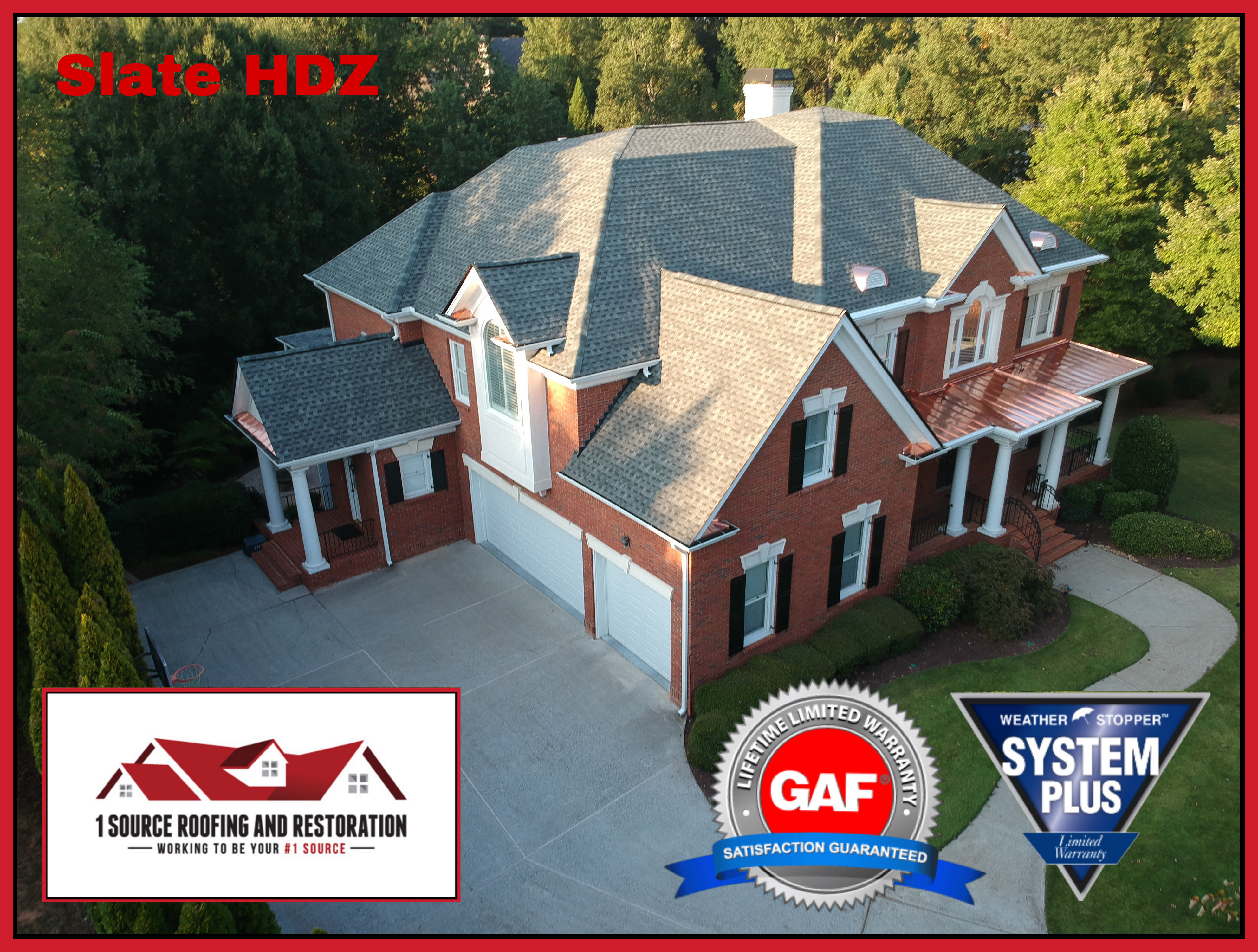
Certified by Industry-Leading Manufacturers
Manufacturer Technical Bulletins
- Cold Weather Shingle Installation (CertainTeed)
- Hand Sealing Shingles in Cold Weather (GAF)
Why Installation Temperature Matters for Asphalt Shingles
Asphalt shingles are not rigid, dimensionally stable products. They are layered composites of fiberglass mat, asphalt coating, ceramic granules, and thermally activated adhesive strips — and every one of those components behaves differently at different temperatures. The performance characteristics that manufacturers rate and warranty are predicated on the shingle being installed and activated within a specific temperature range. Install outside that range, and the shingle may still look correct on the roof, but the system will not perform to specification until conditions change.
The critical temperature threshold that both GAF and CertainTeed reference is approximately 40 degrees Fahrenheit (4 degrees Celsius). Below this temperature, two things happen simultaneously that compromise installation quality. First, the asphalt compound in the shingle body becomes rigid and brittle, making it susceptible to cracking when handled, bent over hips and ridges, or nailed. Second, the thermally activated self-seal adhesive strip on the underside of each shingle will not bond to the course below.
Atlanta's climate is generally favorable for year-round roofing work, but metro Atlanta does experience periods in December, January, and February where morning temperatures drop into the 20s and 30s. A contractor who ignores these conditions and installs shingles at first light on a 28-degree morning is risking both material damage and seal strip failure. 1 Source Roofing schedules cold-weather work with these thresholds in mind, adjusting start times and applying manufacturer-required hand-sealing procedures when temperatures demand it.
The 40-Degree Threshold in Practice
The 40-degree minimum is not an absolute prohibition on all roofing activity. It is the threshold below which standard installation procedures must be modified. Manufacturers do not say "do not install below 40 degrees" — they say "if you install below 40 degrees, you must hand-seal every shingle tab and take additional precautions with material handling." The distinction is important. Emergency repairs after winter storms, insurance-driven replacement timelines, and project schedules that span seasonal transitions all create legitimate reasons to work in cold conditions. The question is not whether to work, but how to work correctly.
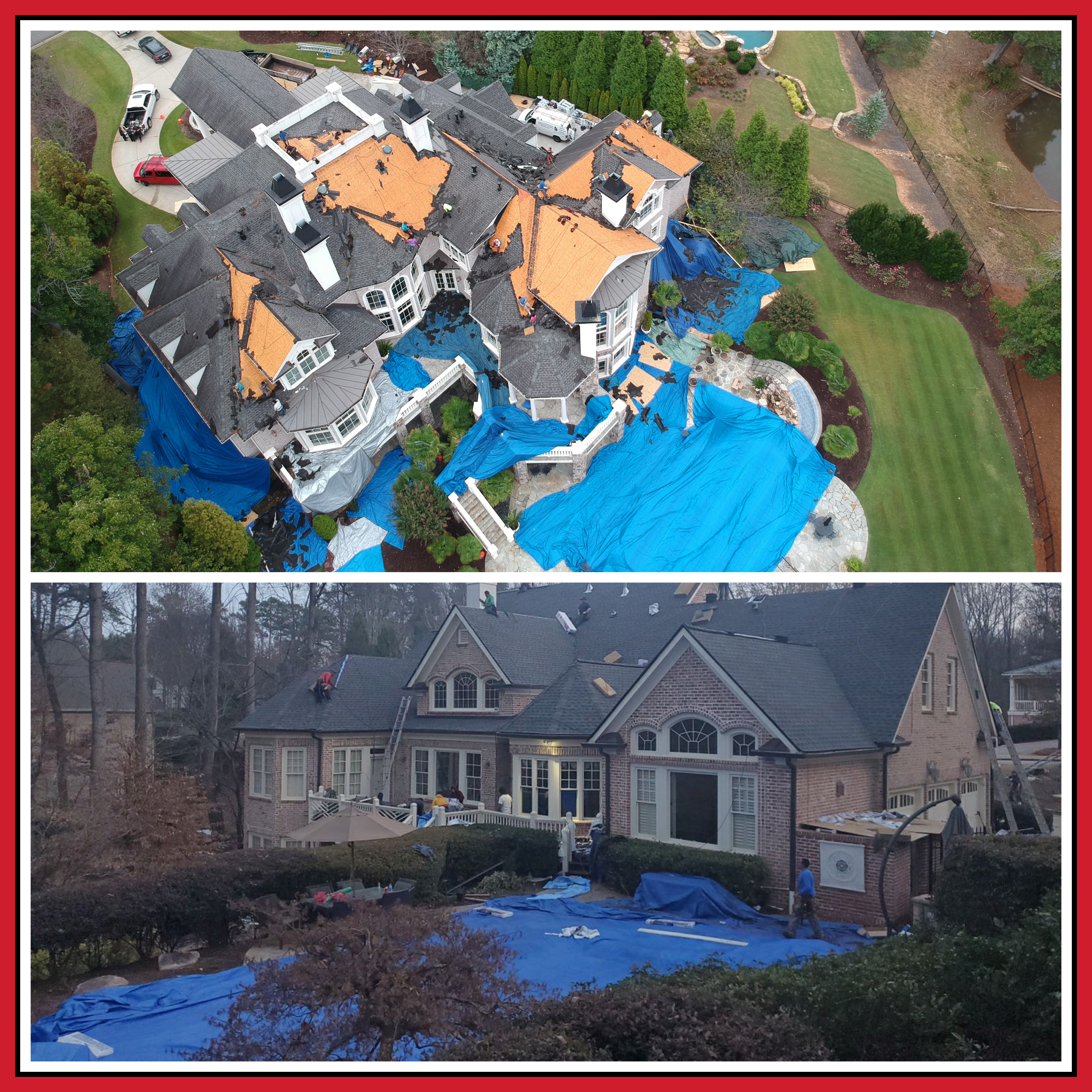
The roof surface temperature and the ambient air temperature are not the same thing. On a clear winter day, direct sunlight can warm a south-facing roof slope 20 to 30 degrees above the ambient air temperature. This means a crew may start work on south-facing slopes at 10 AM when the ambient temperature is still 38 degrees but the roof surface has already reached 55 to 60 degrees. Conversely, a north-facing slope in shade may be at or below ambient temperature even at midday. Experienced cold-weather installers account for this differential when planning the day's work sequence.
Hand-Sealing Requirements for Cold Weather Installation
When ambient temperatures are below the self-seal activation threshold, the adhesive strip on the underside of each shingle tab will not bond to the course below on its own. The strip requires sustained heat — typically 70 degrees Fahrenheit or higher — to soften, make contact, and form the permanent bond that provides wind uplift resistance. In cold weather, that bond will not occur until spring or summer, leaving every shingle on the roof vulnerable to wind damage for weeks or months after installation.
To compensate, both GAF and CertainTeed require hand-sealing when installation occurs in cold conditions. Hand-sealing is not a suggestion or a best practice — it is a manufacturer requirement. Failure to hand-seal cold-installed shingles can void warranty coverage for wind damage, because the manufacturer's warranty assumes installation per their published guidelines.
GAF Hand-Sealing Specifications
GAF's hand-sealing guideline specifies the application of a quarter-sized dab (approximately 1 inch in diameter) of approved roofing cement under each shingle tab. The cement is applied at the leading edge of the tab, approximately 1 to 2 inches from the exposed edge, on the centerline of each tab section. For a standard three-tab shingle, this means three dabs per shingle. For a laminated architectural shingle, the dab placement follows the manufacturer's specific diagram, typically two to three points per shingle depending on the product line.
The roofing cement used must be compatible with asphalt shingles — typically an asphalt-based roofing sealant, not silicone or polyurethane. The dab should be large enough to create adhesion but not so large that it interferes with the shingle's ability to lie flat. Excess cement will create visible bumps beneath the shingle and can interfere with the thermal seal strip's eventual activation in warm weather.
CertainTeed Cold Weather Guidelines
CertainTeed's cold weather installation bulletin echoes the hand-sealing requirement and adds specific guidance on material handling. CertainTeed recommends that shingle bundles stored in cold conditions be brought to at least 40 degrees Fahrenheit before installation. Cold shingles are significantly more brittle than warm ones, and the bending required to conform shingles over hips, ridges, and around penetrations can crack a cold shingle. A cracked shingle installed on a ridge cap is not a cosmetic problem — it is a warranty-voiding installation defect that will leak.
CertainTeed also addresses the specific risk of using pneumatic nail guns on cold shingles. The combination of cold-brittle asphalt and the high-velocity impact of a pneumatic nail can cause fractures radiating from the nail hole — fractures that may not be visible from the surface but that compromise the shingle's weathering integrity. Adjusting nail gun pressure and, when necessary, switching to hand nailing are both recommended approaches for cold-weather work.
What Happens If Hand-Sealing Is Skipped
Shingles installed in cold weather without hand-sealing will lie on the roof surface held in place only by their nails. Without the adhesive bond, each tab is free to lift in wind. The shingle is designed to resist wind as a sealed system — nails plus adhesive. Remove the adhesive component and the nail alone must resist the full wind uplift force, which it was not designed to do. The result is lifted, creased, or torn shingles during the first significant wind event after installation.
Insurance claims filed for wind damage on cold-installed, non-hand-sealed shingles can be complicated by the manufacturer's position that the installation did not follow published guidelines. If the contractor did not hand-seal and the shingles blow off in a February windstorm, the cause of loss is arguably installation deficiency, not wind — a distinction that insurance companies and manufacturers both understand. 1 Source Roofing documents our hand-sealing application on cold-weather installations for exactly this reason.
Thermal Seal Strip Activation — How It Works
The self-seal adhesive strip on an asphalt shingle is a thermoplastic compound — a material that softens when heated and firms when cooled. On a new shingle, the strip is protected by a release film or a release agent that prevents the strip from bonding inside the bundle during storage. When the shingle is installed on the roof and exposed to sustained temperatures above approximately 70 degrees Fahrenheit, the adhesive softens, the weight of the course above presses the tab down, and the strip forms a permanent bond.
This process is not instantaneous. Full seal strip activation requires sustained heat over a period of days to weeks, depending on the ambient temperature, the amount of direct sun exposure, and the roof orientation. South-facing slopes in full sun will activate faster than north-facing slopes in partial shade. A roof installed in March in Atlanta may have full seal strip activation on south-facing slopes by late April, while north-facing slopes may not fully seal until May or June.
Why Activation Temperature Matters
Until the seal strip activates, even hand-sealed shingles are in a transitional state. The roofing cement applied during hand-sealing provides temporary wind resistance, but it is not a substitute for the permanent bond that the thermal seal strip creates. The roofing cement is a bridge — it holds the shingle in place until the strip can do its job. Once the strip activates and bonds, the hand-seal cement becomes redundant.
Homeowners who have a roof installed in cold weather should understand that the shingles may appear slightly different from shingles that were installed and sealed in warm weather. Un-sealed tabs may look slightly raised or uneven, particularly at the leading edges. This is normal and temporary. Once the seal strip activates, the tabs will press flat and the roof will present its final appearance. Calling the contractor to complain about "raised shingles" three weeks after a January installation is understandable but premature — the shingles are performing exactly as expected for the conditions.
Factors That Affect Activation Speed
Roof orientation and slope angle are the primary determinants of how quickly seal strips activate. A steep south-facing slope receives the most direct solar radiation and will activate fastest. A low-pitch north-facing slope in the shade of a taller structure or tree canopy will activate last. On a complex, multi-plane roof — common on luxury homes in Buckhead and Alpharetta — different slopes may complete activation weeks apart.
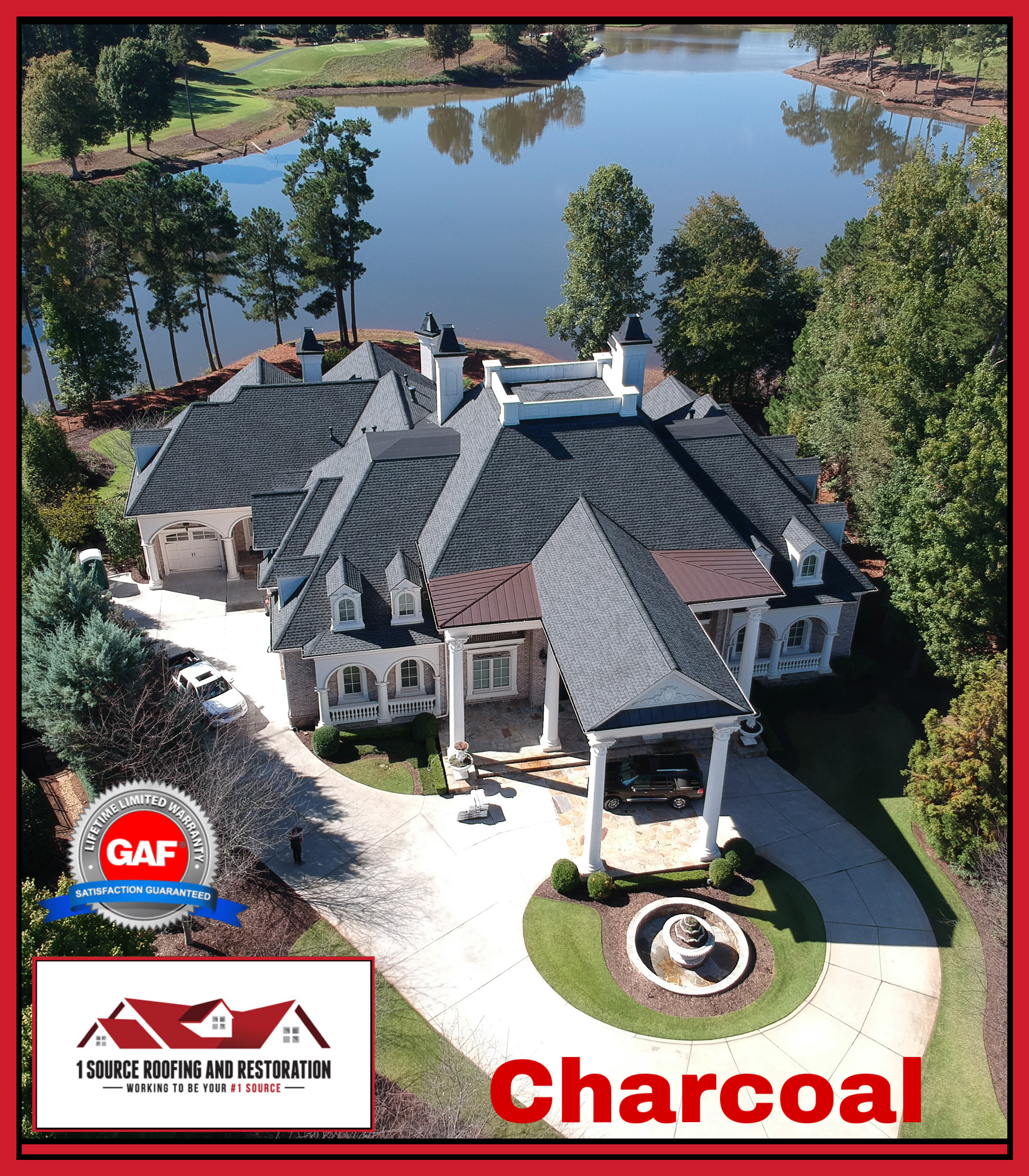
Shingle color also affects activation speed. Darker shingles absorb more solar radiation and reach higher surface temperatures than lighter shingles. A roof with Charcoal or Weathered Wood shingles will typically activate faster than a roof with lighter shades like Birchwood or Shakewood. The difference is not dramatic — days, not months — but it is measurable.
Atlanta's climate provides adequate solar energy for full seal strip activation on virtually every roof by late May, regardless of orientation, slope, or shingle color. Homeowners whose roofs are installed during the winter months can expect full system activation before the onset of Atlanta's severe thunderstorm season in early summer — which is the period when sealed shingles are most needed for wind resistance.
Need a Roof Installed This Winter? We Follow Manufacturer Protocols
1 Source Roofing applies GAF and CertainTeed cold-weather guidelines on every winter installation, including hand-sealing, adjusted start times, and proper material handling.
Schedule Your Free InspectionShingle Storage Considerations in Cold and Hot Weather
Material storage is a dimension of installation quality that many homeowners never consider, but it directly affects the performance and appearance of the finished roof. Asphalt shingles are temperature-sensitive products from the moment they leave the manufacturing plant through delivery, staging, and installation. How they are stored before they reach the roof matters.
Cold Storage Risks
Shingles stored outdoors in freezing temperatures become rigid and brittle. Handling a bundle of frozen shingles roughly — dropping it from a delivery truck, sliding it across a rough surface, or bending individual shingles during installation — can crack the asphalt coating and fracture the fiberglass mat. These fractures may not be visible to the installer because they occur within the body of the shingle, hidden beneath the granule surface. But they will manifest as premature cracking, splitting, or delamination in the months and years after installation.
The practical solution is straightforward: store shingles indoors or in a heated enclosed area before installation when temperatures are below freezing. If indoor storage is not available, stage bundles on pallets covered with tarps and allow them to warm above 40 degrees before carrying them to the roof. On a cold Atlanta morning, this may mean delaying material transport to the roof until mid-morning when temperatures have risen above the threshold. 1 Source Roofing accounts for this in our cold-weather scheduling.
Heat Storage Risks
The opposite extreme is equally damaging. Shingle bundles stored in direct sun during summer months — left on a dark driveway or staged on the roof surface before installation — can reach internal temperatures exceeding 160 degrees Fahrenheit. At these temperatures, the self-seal adhesive strip activates inside the bundle, bonding shingles together in a solid mass. Separating heat-bonded shingles tears the adhesive strip, damages the granule surface, and renders the shingles unusable.
Excessive heat during storage can also cause the asphalt to soften to the point where the weight of stacked bundles deforms the shingles beneath. This compression creates permanent waviness or distortion that will be visible on the roof surface after installation. Stage materials in shade, limit stack height, and install bundles within a reasonable time frame after delivery. For a deeper discussion of proper storage practices, see our Shingle Storage and Lot Number Management technical guide.
Winter Roofing in the Atlanta Metro Area
Atlanta occupies a favorable position for year-round roofing work. The metro area is classified as a humid subtropical climate (Koppen Cfa), with mild winters that rarely produce sustained freezing conditions. Average daytime highs in January — Atlanta's coldest month — range from 48 to 52 degrees Fahrenheit. Nighttime lows average 32 to 34 degrees, meaning most winter days provide an installation window where ambient temperatures are well above the 40-degree manufacturer threshold.
There are exceptions. Cold snaps driven by polar air masses can drop daytime highs into the 20s and 30s for periods of 2 to 5 days several times per winter. These are the days when cold-weather protocols become essential — not the typical January workday. 1 Source Roofing monitors weather forecasts closely during winter months and adjusts scheduling accordingly. We do not install shingles on mornings when the roof surface is frosted or iced, and we apply hand-sealing protocols on days when temperatures remain below 45 degrees at the time of installation.
The advantage of winter installation in Atlanta is scheduling availability. Spring and summer are peak demand seasons for roofing contractors across the metro area, driven by storm damage claims and the general preference for warm-weather construction. Homeowners who schedule non-emergency roof replacements during December through February often benefit from shorter lead times, more flexible scheduling, and crews that are not working through a backlog of storm damage projects. The work quality is identical — the only difference is the hand-sealing step that cold conditions require.
If you are considering a winter roof replacement, call 1 Source Roofing at (404) 277-1377 to discuss scheduling and the cold-weather procedures we follow on every cold-condition installation.
Frequently Asked Questions About Cold Weather Shingle Installation
Answers to the questions Atlanta homeowners ask most about winter roofing and temperature requirements
What is the minimum temperature for installing asphalt shingles?
Most manufacturers specify 40 degrees Fahrenheit as the minimum recommended installation temperature. Below 40 degrees, asphalt shingles become rigid and brittle, increasing the risk of cracking during handling and nailing. The self-sealing adhesive strip also will not activate below this threshold. GAF and CertainTeed both publish cold weather guidelines that address hand-sealing requirements when installation occurs in cold conditions.
Do shingles installed in cold weather need to be hand-sealed?
Yes. When shingles are installed below approximately 40 degrees, the thermally activated adhesive strip will not bond on its own. Manufacturer guidelines from both GAF and CertainTeed require hand-sealing with an approved roofing cement — a quarter-sized dab applied under each shingle tab at specific locations. This provides the wind resistance the self-seal strip would normally provide once temperatures warm enough for activation.
Will cold-installed shingles eventually seal on their own?
Shingles installed in cold weather will self-seal once ambient temperatures reach sustained levels above approximately 70 degrees and direct sun exposure softens the adhesive strip. In the Atlanta metro area, this typically occurs in late spring. However, until the seal strip activates, the shingles are vulnerable to wind uplift — which is why hand-sealing at the time of installation is required, not optional.
How should shingles be stored in cold weather?
Store shingles flat, indoors or in a covered area, at temperatures above freezing when possible. Cold shingles become brittle and can crack during handling. If outdoor storage is necessary, keep bundles on pallets off the ground, covered with tarps, and limit stacking height to prevent compression damage. Allow shingles to warm to at least 40 degrees before installation to reduce cracking risk.
Can roofing work be done in winter in Atlanta?
Yes, Atlanta's climate allows roofing work through most of the winter months. Daytime temperatures in metro Atlanta typically remain above 40 degrees even in December through February. On days when morning temperatures start below the threshold, crews may delay start times until the roof surface warms. 1 Source Roofing schedules cold-weather installations with manufacturer protocols in mind and applies hand-sealing when conditions require it. Call (404) 277-1377 to discuss scheduling.
Technical Bulletins from GAF and CertainTeed
The information on this page is backed by official manufacturer technical bulletins. These documents provide the installation specifications, warranty requirements, and best practices that certified contractors like 1 Source Roofing follow on every project.