

Supplemental Roofing Insurance Claims — The First Check Is Rarely the Final Number
When your insurance payout does not cover the full repair, we document the missed damage so your insurer can review it.
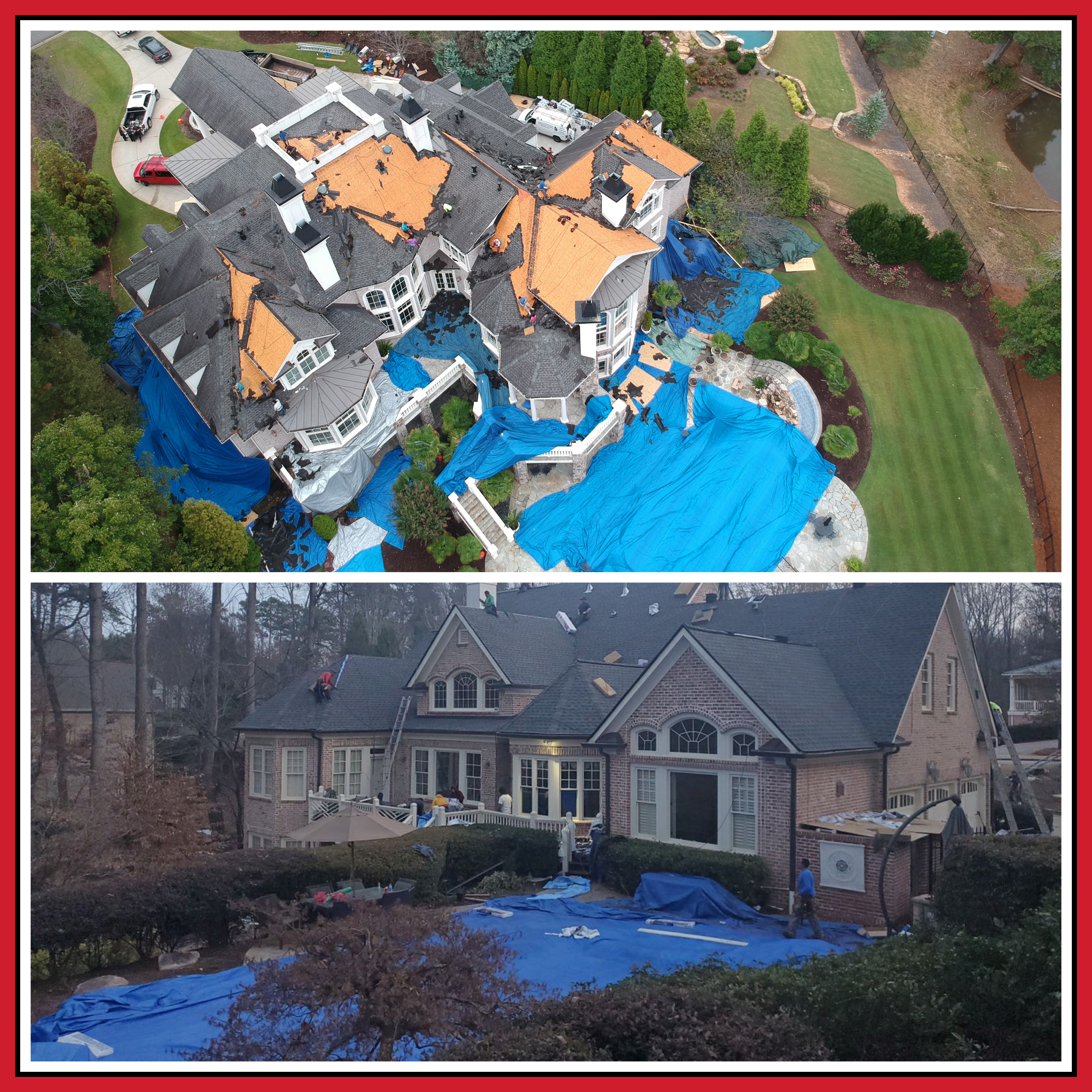
Certified by Industry-Leading Manufacturers
What Is a Supplemental Insurance Claim?
A supplemental claim is an amendment to an existing insurance claim. It is not a second claim. It is not a dispute. It is a formal request for additional payment based on damage or costs that were not included in the original adjuster's scope of loss. The homeowner files and controls the claim; the supplement is the documentation that supports it.
Here is how it works in practice. Your insurance company sends an adjuster to inspect your roof after a storm. The adjuster writes a scope of loss — a line-by-line estimate of what needs to be repaired or replaced and what it will cost. That scope becomes the basis for your claim payment. But the adjuster inspected the roof from the surface. They walked the shingles, noted the obvious damage, and wrote their report. They did not tear anything off. They did not pull up the underlayment to check the decking underneath. They did not open the walls to inspect step flashing conditions.
When your contractor begins the actual work — tearing off old shingles, removing underlayment, exposing the deck — they find damage the adjuster could not have seen. Rotted plywood. Water-saturated felt paper. Decking that crumbles when you step on it. Flashing that disintegrates on removal. Code-required components that the original roof never had but that current Georgia building code demands on any replacement.
This hidden damage needs to be repaired. It costs money. And your insurance policy may cover it. The supplement is the documentation that lets your insurer review and pay for that cost.
Supplemental claims are normal. They are expected. Insurance companies process thousands of them every month. Most roofing contractors who do insurance work document them on a regular basis. The key is documentation — the supplement must be written in the same format the adjuster uses, with the same pricing software, supported by photographs and code references that leave no room for ambiguity.
At 1 Source, we document supplements on the majority of the insurance claims we work on across Alpharetta, Buckhead, Johns Creek, Marietta, Roswell, and Sandy Springs. It is not because we inflate claims. It is because surface inspections miss things. That is reality, not controversy.
Why the First Check Almost Never Covers Everything
Insurance adjusters are trained professionals. They know roofing. But they work under constraints that limit what they can find during a single site visit.
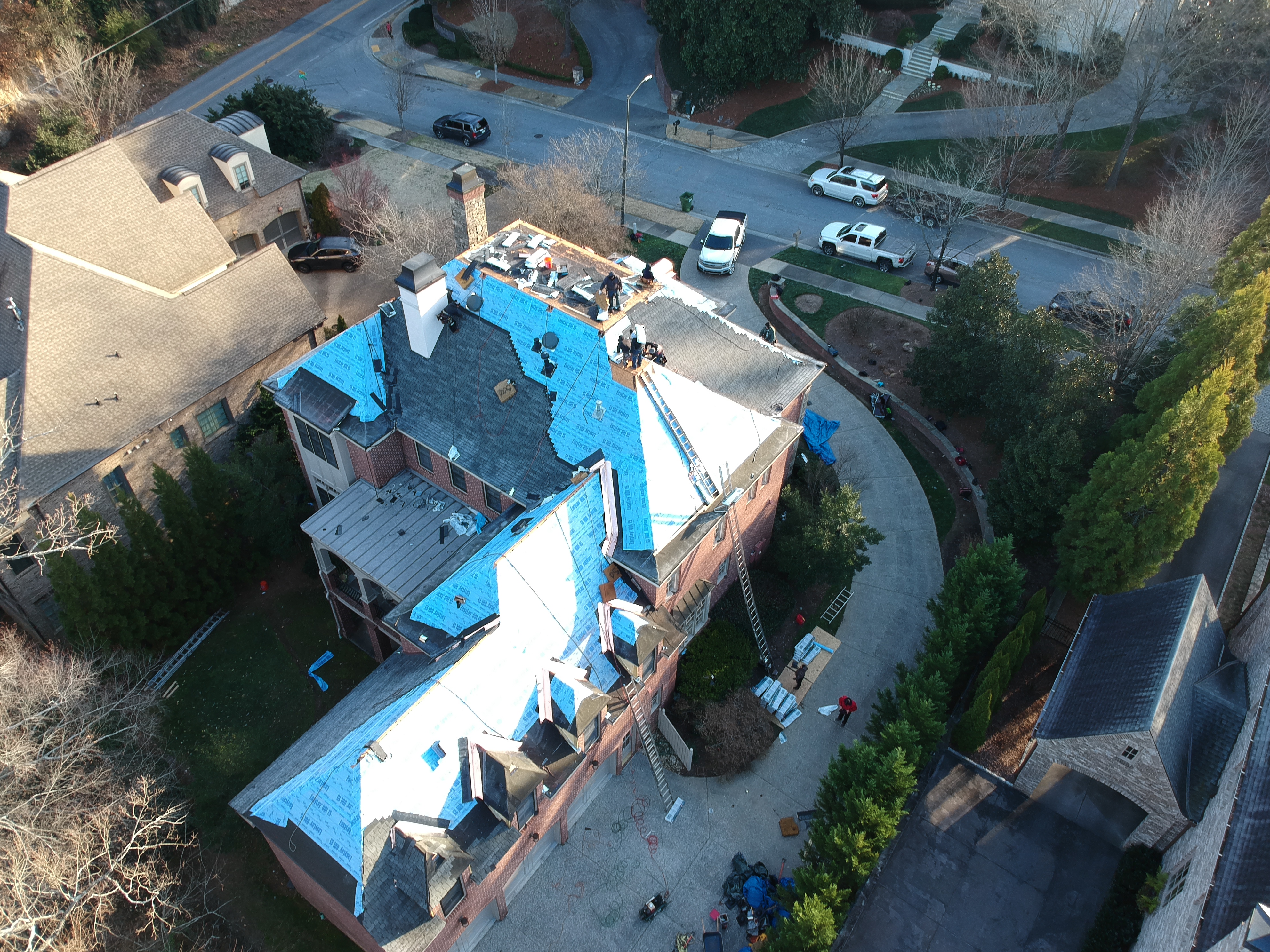
Surface-only inspections. An adjuster walks your roof, photographs visible damage, and writes a scope based on what they can see. They do not remove shingles. They do not pull up underlayment. They do not probe the decking with a moisture meter. The entire inspection happens from the surface — and most of the expensive damage on an aging roof sits below the surface.
Time pressure. After a major storm hits metro Atlanta, adjusters are processing dozens of claims a day. Some are independent adjusters brought in from other states to handle the volume. They spend 30 to 60 minutes per roof. A thorough inspection of a 3,000-square-foot home with multiple roof planes, valleys, hips, and penetrations takes considerably longer than that. Items get missed. Not because of incompetence — because of volume.
No visibility into hidden conditions. The adjuster cannot see what is under the shingles. Rotted decking does not announce itself from the surface. Underlayment that has deteriorated to the point of disintegration looks fine from above. Water damage to fascia boards is often hidden behind gutters. The only way to discover these conditions is to start the tear-off — and by then, the adjuster is long gone.
Code upgrades are not automatic. Georgia building code has been updated multiple times in the last 15 years. A roof installed in 2008 was built to a different code than what applies today. When that roof is replaced, it must meet current code — which means drip edge, ice and water shield in valleys and at eaves, specific ventilation ratios, and sometimes enhanced underlayment. These are mandatory. They add material and labor costs. But adjusters do not always include them in the initial scope because the original roof did not have them.
Material pricing lags. Xactimate — the software adjusters use to price claims — pulls from regional pricing databases. Those databases update periodically, but they can lag behind actual market conditions, particularly after a storm when demand spikes and material costs rise. The price the adjuster writes into the scope today may be 10% to 15% below what your contractor will pay at the supply house next week.
None of these shortfalls are unusual. Collectively, they explain why the initial insurance check on a roofing claim typically covers 65% to 80% of the actual cost of a proper replacement. The supplement documents the gap so your insurer can close it.
What Triggers a Supplemental Claim
Every supplement is tied to specific, documented conditions discovered during the work. Here are the most common triggers we see on roofs across metro Atlanta:
Rotted or Water-Damaged Decking
The single most common supplement item. Once shingles and underlayment come off, we find plywood or OSB that has absorbed water over years of slow leaks. The wood is soft, discolored, and structurally compromised. You cannot nail new shingles into rotted decking — it must be cut out and replaced. We measure every damaged sheet, photograph it in place, and document the replacement cost per sheet. On older homes in Buckhead and Roswell, we routinely find 4 to 12 sheets of decking that need replacement. At $75 to $125 per sheet installed, the supplement adds up fast.
Deteriorated Underlayment
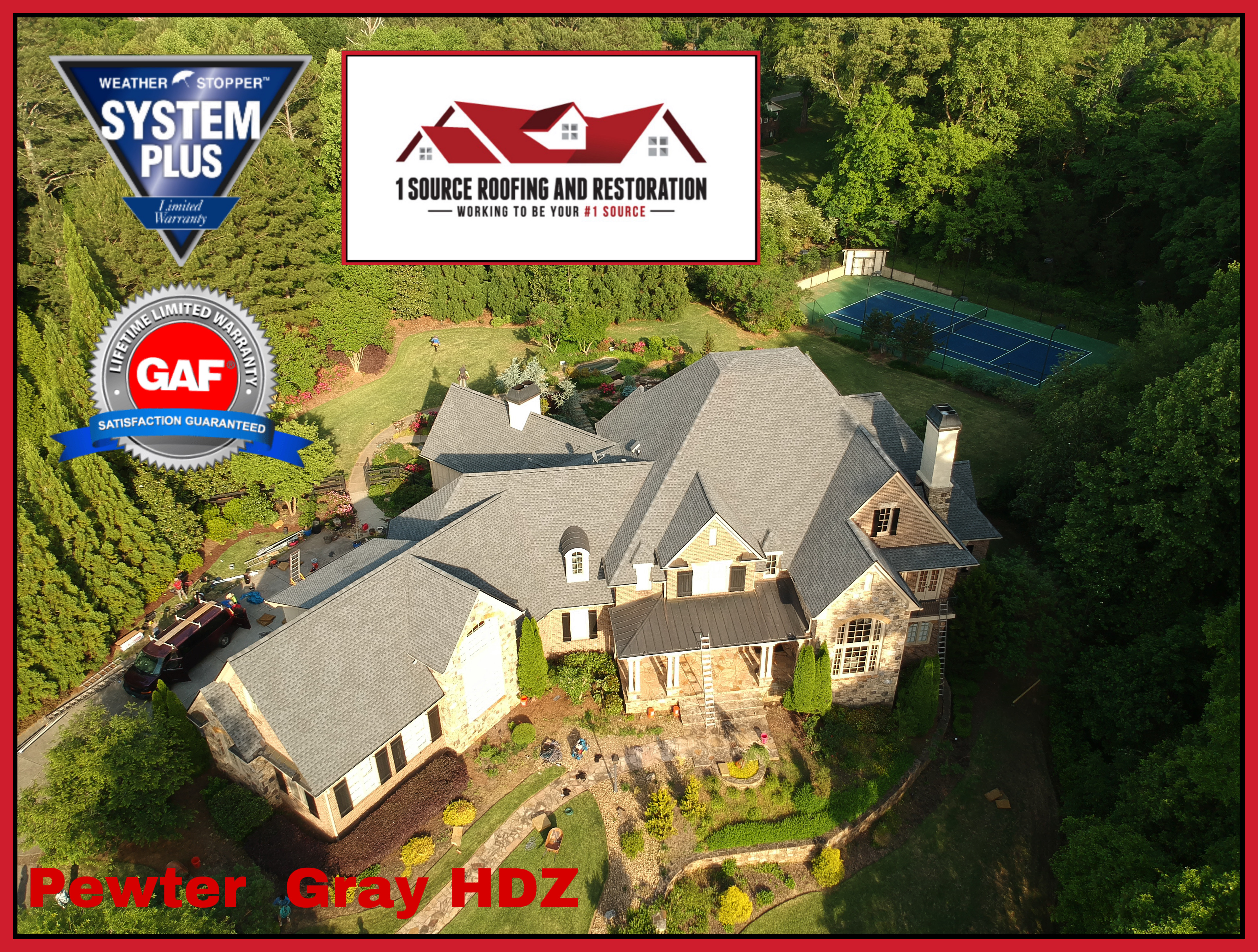
Synthetic underlayment lasts decades. The old felt paper on a 15-year-old roof does not. When we pull shingles, we often find underlayment that tears on contact, has bare spots where it has worn through, or is saturated with moisture. The adjuster priced standard underlayment in the original scope, but the condition of the existing underlayment often requires upgraded synthetic product — especially in valleys and at eaves where water concentration is highest.
Code-Required Upgrades
Georgia building code mandates specific components on any roof replacement. If your original roof predates the current code, the replacement must include what the original did not. Common code-required additions include: drip edge on all eaves and rakes, ice and water shield in valleys and at eaves (minimum 24 inches past the interior wall line), proper ridge ventilation to meet the 1:150 or 1:300 ratio, and enhanced underlayment in high-exposure areas. Each code item is a separate line in the supplement, backed by the specific Georgia code section that requires it.
Pipe Boot Replacements
Every plumbing vent that penetrates your roof has a rubber or lead pipe boot around it. On a 12-to-15-year-old roof, those boots are cracked, split, or completely deteriorated. Reusing a failed pipe boot under new shingles is a leak waiting to happen. Adjusters sometimes omit boot replacements from the initial scope because the boots are not storm-damaged — they are age-degraded. But any reputable contractor will replace them during a reroof, and the cost belongs in the claim.
Step and Counter Flashing
Where the roof meets a sidewall, chimney, or dormer, metal step flashing directs water away from the joint. On older homes, that flashing is galvanized steel that has rusted, bent, or separated from the wall. Counter flashing — the piece that covers the top of the step flashing — is often embedded in mortar joints that have cracked and failed. Replacing step and counter flashing requires removing siding or cutting mortar joints, which adds labor. Adjusters frequently price only the flashing material and omit the labor to properly install it.
Damaged Fascia and Soffit
Fascia boards sit behind the gutter line. Soffit panels cover the underside of the eave overhang. Both are hidden from a surface inspection. When gutters come down during tear-off, we find fascia that has rotted from years of gutter overflow or ice damming. Soffit panels may be warped, perforated by animals, or water-stained from inadequate ventilation. These are structural and aesthetic components that affect the roof system. They belong in the claim.
Interior Water Damage
If the roof leak reached the attic, you may have damaged insulation, stained drywall, or warped ceiling panels. Interior damage is part of the same claim as the roof — it does not require a separate filing. But adjusters who inspect roofs do not always go inside. If they did not document the interior damage during their visit, a supplement adds it with photographs of every affected surface, moisture readings, and repair estimates.
Material Price Increases
Between the date the adjuster writes the scope and the date your contractor orders materials, prices can shift — sometimes significantly. After a major hail event across north Georgia, shingle prices at Atlanta-area distributors can increase 5% to 15% within weeks as demand outpaces supply. Xactimate pricing databases may not reflect this spike. A supplement documents the actual invoiced cost from the distributor and submits the difference for your insurer to review.
Think Your Claim Came Up Short?
Call us. We will review your scope of loss, compare it to the actual damage on your roof, and tell you exactly what was missed. If a supplement is warranted, we document the damage and prepare the estimate for your insurer to review. No charge for the review.
Call (404) 277-1377How 1 Source Documents Supplemental Claims
Documenting a supplement is not a phone call to your insurance company saying "we found more damage." It is a formal documentation package that mirrors the format adjusters use internally. Here is exactly how we build and submit every supplement for your insurer to review:
Xactimate documentation. We write every supplement in Xactimate — the same estimating software your insurance adjuster used to write the original scope. This matters. When an adjuster receives a supplement written in Xactimate, they can pull it directly into their system, compare line items side by side, and process the revision without reformatting or reinterpreting. A handwritten estimate or a PDF from generic software creates friction. Xactimate creates alignment.
Line-by-line itemization. Every additional cost is broken into individual line items with Xactimate pricing codes. Rotted decking is not listed as "decking replacement — $800." It is listed as "Remove and replace 7/16 OSB roof sheathing, 4x8 sheet" at the current regional Xactimate rate, multiplied by the number of sheets. Each line item has its own code, unit cost, quantity, and total. The adjuster can verify or question each line individually rather than setting aside the whole supplement because one number looks off.
Before, during, and after photography. Every supplement we submit includes a photo set organized by damage category. Before: what the area looked like with shingles in place, showing no visible sign of the hidden damage. During: the exposed condition — rotted decking, failed underlayment, cracked flashing — with a tape measure or reference object in frame for scale. After: the repaired or replaced component, showing the new material installed. This photo sequence proves the damage existed, proves it was hidden from the original inspection, and proves it was repaired. Adjusters who receive this level of documentation approve supplements faster because the evidence answers every question before it gets asked.
Measurements and material specifications. We include roof measurements from our original inspection — plane dimensions, pitch calculations, ridge and valley lengths, penetration counts. Material specifications reference the exact product installed: manufacturer, model number, color, and unit price from the distributor invoice. When the supplement says "GAF TimberHD Charcoal, 33.3 sq ft per bundle, $42.50/bundle from ABC Supply Lawrenceville" — that is a verifiable, specific claim. Adjusters can confirm it with one phone call.
Code references. Every code-required upgrade cites the specific Georgia building code section that mandates it. Drip edge on eaves and rakes: Georgia amendments to IRC Section R905.2.8.5. Ice and water shield in valleys: IRC R905.2.7.1 as adopted by Georgia. Ridge ventilation ratios: IRC R806.1. These citations remove any ambiguity about whether the upgrade is a contractor preference or a legal requirement. It is the latter, and the code reference proves it.
Cover letter. Every supplement package includes a one-page cover letter summarizing what was found, why it was not visible during the original inspection, and the total additional cost. The cover letter references the claim number, policy number, date of loss, and the original adjuster's name. It gives the insurance reviewer a clear narrative before they open the line-item detail.
How Much Can a Supplement Add to Your Claim?
The amount depends entirely on what was missed in the original scope and what is discovered during the work. Here are realistic ranges based on the claims we have worked on across metro Atlanta. Your insurer determines the final figure:
Minor Supplement
A few missed line items: pipe boot replacements, starter strip, drip edge that was not in the original scope, or a small section of damaged decking. Common on newer homes where the roof is in relatively good condition underneath the storm damage. The supplement documents specific items the adjuster omitted — not a wholesale revision of the scope.
Moderate Supplement
Multiple sheets of rotted decking (4 to 8 sheets), full drip edge installation, ice and water shield in all valleys, underlayment upgrade, and step flashing replacement at one or two wall junctions. This is the most common supplement range on homes built in the 1990s and 2000s across Alpharetta, Johns Creek, and Sandy Springs. The original scope covered the shingles and basic labor. The supplement documents what was underneath.
Major Supplement
Extensive decking replacement (10+ sheets), multiple code-required upgrades, chimney flashing rebuild, soffit and fascia replacement, interior water damage repair, and material price adjustments. Typical on older homes — 20+ years — where the original roof was installed under outdated code and multiple systems have deteriorated simultaneously. These supplements are thoroughly documented because the dollar amount demands it.
We never inflate supplement amounts. Every line item in every supplement we document corresponds to actual damage that was photographed, measured, and priced at verifiable rates. Inflating a supplement is fraud. It also destroys the contractor's credibility with the insurance company — and credibility is the currency that gets future supplements approved. We protect ours.
The Supplement Timeline: From Discovery to Payment
Knowing what to expect — and when — removes the uncertainty from the supplement process. Here is the typical timeline for a supplemental claim we document:
- Day 1: Work Begins, Damage Is Discovered Our crew arrives to begin the tear-off. As old shingles and underlayment come off, hidden conditions are exposed. The crew lead stops work on that section, calls our project manager, and begins documenting. Every damaged sheet of decking, every failed flashing joint, every section of deteriorated underlayment is photographed with a reference measurement in the frame. The crew notes the location on the roof diagram. Work continues on unaffected sections while documentation happens in parallel.
- Days 1 to 3: Documentation Package Is Prepared Our office team takes the field documentation and builds the supplement in Xactimate. Photos are organized by damage category. Line items are entered with correct pricing codes and quantities. Code references are cited for any required upgrades. The cover letter is drafted. The package is reviewed by our senior project manager before submission — every line item, every photo, every code citation is checked for accuracy and completeness.
- Days 3 to 5: Supplement Is Submitted The complete package — Xactimate estimate, photo set, code references, cover letter — is submitted to your insurance company via their preferred method (usually email to the assigned adjuster or upload to the carrier's claims portal). We include the claim number, policy number, and the original adjuster's contact information. A confirmation is sent to you with a copy of everything we submitted.
- Weeks 2 to 4: Insurance Company Reviews The insurer assigns a desk adjuster or returns the file to the original field adjuster for review. They compare the supplement against the original scope, verify pricing in Xactimate, and review the photographic evidence. Some carriers approve the supplement as submitted. Others question individual line items — pricing adjustments, quantity questions, or requests for additional documentation on specific items. We coordinate with your insurance adjuster and provide any additional documentation they request during this phase.
- Weeks 3 to 6: Revised Payment Is Issued Once your insurer approves the supplement (in full or with agreed-upon modifications), the insurance company issues a revised payment. If you have a mortgage, the check will be made out to both you and your mortgage company and may require an endorsement process. We guide you through the payment release so there are no delays. The additional funds cover the additional work — which, in most cases, is already completed by the time the supplement payment arrives.
Supplemental Claim Questions — Answered
Straight answers to the questions Atlanta homeowners ask most about roof insurance supplements
What is a supplemental insurance claim?
A supplemental claim is an amendment to your existing insurance claim. It is not a new claim. When your contractor discovers damage that was not included in the original adjuster scope — rotted decking, deteriorated underlayment, code-required upgrades — a supplement documents that damage so your insurer can review it and determine additional payment. Supplements are standard in the roofing industry. Most insurance-paid roof replacements involve at least one.
Does filing a supplement raise my insurance rates?
No. A supplement is part of your existing claim, not a new one. Your insurance company already has the claim on file. The supplement simply updates the scope and cost. It does not count as an additional claim on your record and does not trigger a rate increase beyond what the original claim may have already affected.
How long does a supplement take to get approved?
Most supplements are reviewed by the insurer within 2 to 4 weeks of submission. Some insurers move faster, especially when the documentation is thorough and written in Xactimate format. Complex supplements involving multiple line items or code disputes can take 4 to 6 weeks. Georgia law requires insurers to respond to submitted documentation within 30 days.
Can I prepare a supplement myself without a contractor?
Technically, yes. Practically, it rarely works. Insurance adjusters review supplements written in Xactimate — the industry-standard estimating software. A supplement without Xactimate formatting, line-item pricing, photographic evidence, and code references will almost always be reduced or set aside. Contractors who document supplements regularly know which line items belong, how to price them accurately, and how to present the documentation so adjusters can process it quickly.
What if my supplement is denied?
We review the denial reason and resubmit with additional documentation. Most denials result from insufficient photos or pricing disagreements. If the denial holds after resubmission, you have the right to invoke your policy's appraisal clause, which brings in an independent umpire to settle the dispute. We can also refer you to a licensed public adjuster for cases that need professional adjusting or formal dispute resolution. Read more in our denied claims guide.
Does 1 Source charge extra to document a supplement?
No. Supplement documentation is part of our standard insurance claim support. We do not charge for the photos, the Xactimate estimate, or the supporting paperwork we prepare for your insurer. If your insurer approves the supplement and adds to the claim value, the additional funds cover the additional work. Our fee structure is built into the roofing project — you pay your own deductible and nothing more.
Can a supplement be documented after the roof is already installed?
Yes, but it is harder. The best time to document a supplement is during tear-off, when hidden damage is exposed and can be photographed in real time. If the roof is already installed, the evidence is covered. That said, if your contractor documented the damage during installation with dated photos and measurements, a post-installation supplement is still possible. We always document everything during tear-off specifically for this reason.
How much money can a supplement add to my claim?
It depends entirely on what was missed. A minor supplement for a few missed line items might add $1,500 to $3,000. A moderate supplement covering rotted decking, code upgrades, and flashing replacement typically adds $3,000 to $7,000. Major supplements involving extensive decking replacement, interior damage, and multiple code-required upgrades can add $7,000 to $15,000 or more. Every claim is different, and your insurer determines the final amount. We never inflate — we document exactly what is there.
Your First Check Probably Is Not Your Last. Let's Find Out.
If you have received an insurance payout that does not seem like enough to cover a proper roof replacement, call us. We will review your adjuster's scope, compare it to the actual condition of your roof, and tell you exactly what was missed. The review costs nothing. A well-documented supplement could recover thousands.
Call (404) 277-1377 — Free Supplement ReviewWe are a roofing contractor, not a public adjuster. 1 Source Roofing and Restoration is a licensed Georgia roofing contractor. We inspect roofs, document damage, provide repair estimates, and perform roof restoration. We do not adjust, negotiate, or settle insurance claims on a homeowner's behalf — under Georgia law (O.C.G.A. § 33-23), only a licensed public adjuster may do that for compensation. You file and control your own claim, and your insurer determines coverage. If your claim calls for professional adjusting or formal dispute resolution, we are glad to refer you to a licensed Georgia public adjuster.
More Insurance Claim Resources
Every insurance situation is different. Find the guide that matches where you are right now:
Insurance Claims Hub
Our insurance claim support process — from free inspection to installed roof.
Adjuster Meeting Coming Up?
What to expect, what to prepare, and why having your contractor present to show the documented damage changes the outcome.
Claim Denied?
A denial is not the end. Your options for re-inspection, appraisal, and reversal under Georgia law.
Filing a Claim?
Step-by-step walkthrough for Georgia homeowners filing a roofing insurance claim for the first time.
Storm Damage Claim?
Hail and wind damage claims have specific documentation requirements. How to get them right from the start.
Insurance vs. Out of Pocket?
When filing a claim makes financial sense and when paying out of pocket is the smarter move.
Roofing Insurance Help Across Metro Atlanta
We document roofing insurance claims and supplemental filings for homeowners throughout the Atlanta metropolitan area. Find your city below: