
Roof Insurance Claim Denied in Georgia? That Doesn't Mean It's Over.
We document roof damage and provide the estimates that support denied and underpaid roofing claims across metro Atlanta.
Certified by Industry-Leading Manufacturers
Why Roof Insurance Claims Get Denied in Georgia
Insurance companies deny roofing claims every day. Some denials are legitimate. Many are not. The difference usually comes down to documentation — what was submitted, what was missing, and whether the damage was fully captured. Here are the six most common denial reasons we see across Alpharetta, Buckhead, Johns Creek, Roswell, Sandy Springs, and Marietta — and what actually happens behind each one.
"Pre-Existing Damage"
What the Insurer ClaimsThe damage on your roof existed before the storm event. The claim is denied because the insurer says you are filing for damage that was already there.
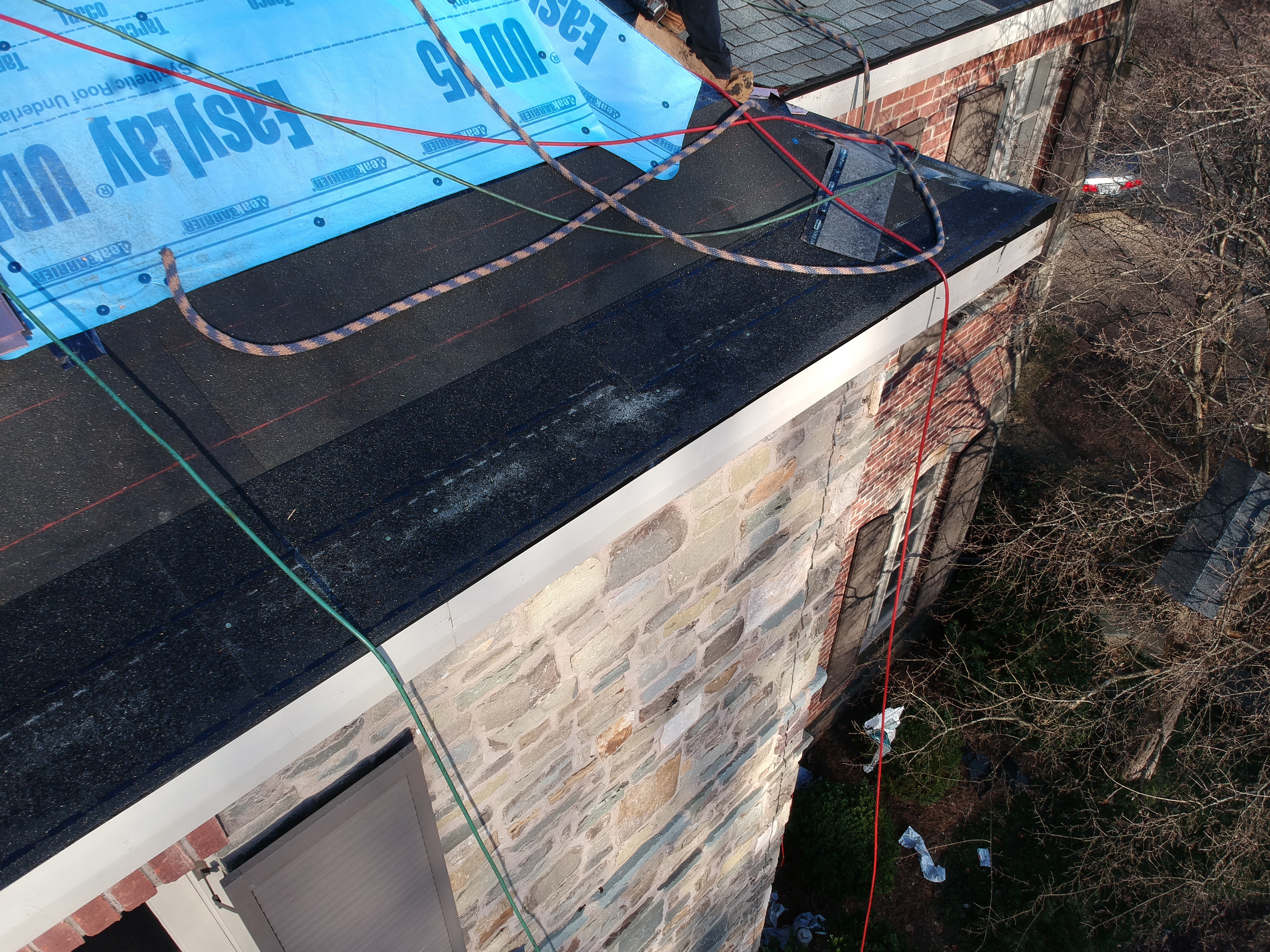
Every roof over five years old has some degree of weathering. Granule loss, minor curling, oxidation — these are age-related changes, not damage. When a hailstorm hits, it creates fresh impact marks that look distinctly different from aging. The problem is that many adjusters lump everything together. They see a 15-year-old roof with normal wear and conclude that the hail damage is also old. A trained eye can tell the difference. Fresh hail impacts fracture the mat layer in a specific pattern. Aged granule loss is gradual and uniform. These are not the same thing.
What 1 Source DoesWe photograph and catalog both the age-related wear and the fresh storm damage — separately and clearly labeled. We provide close-up images showing the distinct fracture patterns of new hail impacts versus the smooth, gradual wear of aging shingles. When the insurer reviews the distinction laid out in detail, the "pre-existing" argument becomes much harder to support. In stubborn cases, we arrange for an independent engineering report that confirms the damage timeline.
"Missed Filing Deadline"
What the Insurer ClaimsYou reported the damage too late. The policy requires notice within a specific window after the loss event, and the insurer says you missed it.
Why This Is Often WrongRoof damage from hail is not always visible from the ground. A homeowner in Johns Creek whose roof was hit in a spring storm may not notice problems until water stains appear on the ceiling in the fall. Georgia courts have repeatedly held that the filing clock starts when the homeowner discovers the damage or reasonably should have discovered it — not when the storm occurred. Insurers sometimes apply the strictest interpretation of the deadline, hoping the homeowner accepts the denial without questioning it.
What 1 Source DoesWe pull NOAA storm data to verify the date and severity of the weather event. We document the damage in a way that demonstrates it is consistent with that specific storm — hail size, impact angle, damage pattern. If the insurer challenges the timeline, we document evidence showing that the damage could not have been discovered sooner. We also review the policy language to confirm the actual deadline and whether the insurer is interpreting it correctly.
"Incomplete Documentation"
What the Insurer ClaimsThe claim file does not contain enough evidence to prove the damage is storm-related or to justify the requested repair scope.
This denial is almost always fixable. It happens when a homeowner files a claim with a phone call and a few photos taken from the driveway. The adjuster shows up, does a 20-minute inspection, and finds just enough to justify a denial. The original claim file was thin because nobody told the homeowner what documentation an insurer actually needs — dated photos of every slope, close-ups of individual damage points, storm data, measurements, and a written damage narrative.
What 1 Source DoesWe build the documentation package from scratch. Our inspectors spend 45 to 90 minutes on the roof, photographing every slope, penetration, flashing, ridge, valley, and pipe boot. We correlate the damage to NOAA storm records with specific hail size and wind speed data. We write a formal damage report that reads like the evidence file the adjuster should have compiled in the first place. Then we provide it for you to resubmit with your claim.
"Cosmetic Damage Exclusion"
What the Insurer ClaimsThe damage is cosmetic — it affects appearance but not the roof's ability to keep water out. Your policy excludes cosmetic damage, so the claim is denied.
Why This Is Often WrongThe cosmetic vs. functional distinction is one of the most abused denial reasons in the roofing industry. Insurers classify hail impacts as "cosmetic" when the surface of the shingle is dented but the mat layer appears intact from a quick visual inspection. The reality is that hail impacts above a certain force crack the fiberglass mat underneath the granule surface. That crack compromises waterproofing. A shingle with a cracked mat will fail years before its expected lifespan — that is functional damage, full stop. The only way to confirm it is through close-up inspection, and sometimes by pulling a damaged shingle for cross-section analysis.
What 1 Source DoesWe document every impact point with close-up photography that shows the depression depth, granule displacement, and visible mat exposure. When the evidence warrants it, we pull a sample shingle and photograph the cross-section showing the cracked mat layer. We reference manufacturer technical bulletins that specify how much impact force causes functional failure. This is not a subjective argument — it is measurable, and we measure it.
"Normal Wear and Tear"
What the Insurer ClaimsThe roof has reached the end of its useful life. The damage you are reporting is just normal aging, not storm damage.
Why This Is Often WrongA roof can be old and still sustain new storm damage. An 18-year-old architectural shingle with a 30-year rated life has 12 years of expected performance left. If a hailstorm cracks the mat layer on that roof, the damage is insurable — regardless of the roof's age. Insurers sometimes deny these claims by pointing to the roof's age alone, without distinguishing between what was already worn and what the storm caused. Age is not a denial reason. Storm damage on an aging roof is still storm damage.
What 1 Source DoesWe document the roof's overall condition and the storm damage as two separate categories. We note the shingle type, manufacturer, rated lifespan, and installation date. We show that the fresh damage — cracked mats, displaced granules at impact points, broken ridge cap, damaged flashing — is distinct from the general wear. The insurer can depreciate based on age. They cannot deny based on it.
"Maintenance Exclusion"
What the Insurer ClaimsThe damage results from failure to maintain the roof. Clogged gutters, moss growth, or deferred repairs caused the problem — not a covered peril.
Why This Is Often WrongMaintenance exclusions exist for legitimate reasons — if your roof failed because you ignored a known leak for three years, that is on you. But insurers sometimes apply this exclusion too broadly. A roof with some moss on the north slope or a gutter that needs cleaning does not forfeit its right to a storm damage claim. The maintenance condition of the roof and the storm damage are separate issues. One does not cancel the other, unless the maintenance failure directly caused the damage being claimed.
What 1 Source DoesWe separate maintenance issues from storm damage in our documentation. If there is moss on the north slope, we note it — and then we document the hail impacts on every other slope that have nothing to do with moss. If the insurer tries to apply a blanket maintenance exclusion to a legitimate storm claim, we provide documentation that isolates each damage type. We also reference Georgia case law and Department of Insurance guidance on the limits of maintenance exclusions.
Your Rights Under Georgia Insurance Law
Georgia has some of the strongest consumer protections for insurance policyholders in the Southeast. If your roof claim was denied, you have legal tools available that most homeowners do not know about. Here is what the law actually says — and what it means for your situation.
O.C.G.A. § 33-24-5 — 15-Day Acknowledgment Rule. Your insurance company must acknowledge your claim within 15 business days of receiving it. "Acknowledge" means they must confirm receipt and begin their investigation. If your insurer sat on your claim for weeks before responding, they may have already violated state law. This does not automatically reverse a denial, but it establishes a pattern of handling that the Georgia Department of Insurance takes seriously.
O.C.G.A. § 33-6-34 — Unfair Settlement Practices. This statute defines what constitutes bad faith by an insurer. It prohibits misrepresenting policy provisions, failing to conduct a reasonable investigation, denying a claim without a legitimate basis, and forcing an insured to file a lawsuit to recover amounts owed under the policy. If your claim was denied without a proper on-site inspection, or if the denial letter cites reasons that do not match the damage on your roof, the insurer may be in violation. Bad faith claims in Georgia can result in the insurer paying penalties up to 50% above the original claim value, plus attorney fees.
Your Right to a Re-Inspection. You can request that the insurance company send a different adjuster to re-inspect your roof. There is no limit on how many times you can request a re-inspection, and the insurer cannot charge you for it. A re-inspection with a different adjuster — especially when you have a knowledgeable contractor present to show the documented damage — often produces a different result than the original visit. Different adjusters have different levels of experience, and the presence of a contractor changes the dynamic on the roof.
The Appraisal Clause. Almost every Georgia homeowner policy contains an appraisal clause. This clause gives you the right to demand an independent appraisal when you and your insurer disagree on the value of a covered loss. Each side selects an appraiser. The two appraisers choose a neutral umpire. If the appraisers cannot agree, the umpire makes a binding decision. This process bypasses the insurer's internal review entirely. It typically costs $300 to $750 for your appraiser's fee, and it resolves most disputes within 30 to 60 days — far faster and more cost-effective than litigation.
Georgia Department of Insurance Complaints. You can file a formal complaint with the Georgia Department of Insurance if you believe your claim was improperly denied. The Department investigates complaints and can take enforcement action against insurers who violate state law. Filing a complaint creates a paper trail that puts the insurer on notice — and insurers pay attention to their complaint ratios. The Department's Consumer Services Division can be reached at (404) 656-2070 or through their online portal at oci.georgia.gov.
Your Right to Hire a Public Adjuster or Attorney. Georgia law gives you the right to hire your own licensed representation at any point in the claims process. A public adjuster is licensed by the state to negotiate the claim on your behalf for compensation — they typically charge 10% to 15% of the settlement on a contingency basis. An attorney handles bad faith claims and can pursue damages beyond the original policy amount. You are not required to accept your insurer's decision, and you have professionals available if you choose to challenge it.
Got a Denial Letter? Let Us Read It.
We review denied claims at no charge. We will tell you whether the denial holds up or whether your roof damage can be documented to support a stronger case. One call. No cost. No obligation.
Call (404) 277-1377 — Free Claim ReviewWhat 1 Source Does When Your Claim Is Denied
We have documented roof damage for homeowners across every major neighborhood in metro Atlanta whose claims were denied. The process is methodical, not adversarial. Here is exactly what happens when you call us about a denied claim.
- We Review Your Denial Letter and Policy The denial letter tells us exactly why the insurer said no. The policy tells us whether that reason is valid. We read both — line by line. We check whether the denial reason matches the policy language. We look for internal contradictions, procedural violations, and denial reasons that do not hold up against the actual damage. Many denial letters cite vague language like "pre-existing condition" or "insufficient documentation" without specifying what was pre-existing or what documentation was missing. That vagueness is often a sign that the denial is contestable.
- We Inspect the Roof Independently Our inspector goes on the roof regardless of what the original adjuster found. We document every slope, every penetration, every flashing, every ridge and valley. We take close-up photos of individual damage points — hail impacts, wind-lifted tabs, cracked mats, damaged pipe boots, separated ridge cap. We measure. We photograph. We catalog. This inspection takes 45 to 90 minutes and produces a formal report with dated, organized evidence. The original adjuster may have spent 20 minutes on the roof. We spend four to five times that long.
- We Build Supplemental Documentation in Xactimate Xactimate is the pricing software that every major insurance company uses. When we prepare supplemental documentation, we write it in Xactimate — the same format the adjuster used for the original scope. This means the insurer's desk adjuster can open our file and compare it directly to theirs, line by line. No translation needed. No format confusion. We include every line item the original scope missed for the insurer to review: code-required upgrades, full flashing replacement, steep-slope labor charges, proper waste factors, starter strip, drip edge, ice and water shield in valleys. Each line item is backed by a photo, a code reference, or a manufacturer specification.
- We Request a Re-Inspection Armed with our independent report and supplemental documentation, we help you request a re-inspection from the insurer. We are present for every re-inspection — on the roof, walking the adjuster through our findings point by point to show the documented damage. A re-inspection with a contractor present is a fundamentally different experience than the original visit. The adjuster knows they are working with someone who reads Xactimate, understands building code, and will follow up if items are missed. This changes the conversation.
- We Prepare Appraisal Clause Documentation If Needed If the re-inspection does not resolve the dispute, we prepare the documentation needed for you to invoke the policy's appraisal clause. This includes our complete damage report, our Xactimate estimate, the original scope of loss, the denial letter, and a summary of the discrepancy. We can refer you to an experienced appraiser who handles roofing disputes in the Georgia market. The appraisal process is binding, independent, and typically resolves within 30 to 60 days.
"Underpaid" Is Not the Same as "Denied"
This catches more homeowners than outright denials. Your claim was approved. You got a check. You assume the amount covers the full repair. It does not.
The first check you receive from your insurer is almost never the final amount. It is the ACV payment — the actual cash value, which deducts depreciation based on your roof's age. The remaining depreciation holdback is released after repairs are completed. But even beyond the holdback, the initial scope frequently undervalues the work.
Here is what happens in practice. The adjuster writes a scope that covers shingle replacement on four slopes but misses the drip edge replacement, the starter strip, the ice and water shield in the valleys, the steep-pitch labor surcharge, and the code-required upgrades that have changed since your roof was last installed. Each of those missing items adds $400 to $2,500 to the claim. Added together, they can represent 20% to 40% of the total repair cost.
Most homeowners cash the first check and hire a contractor who works within that amount — getting an installation that cuts corners to fit the payment. Or they pay the difference out of pocket, not realizing the insurance company owed them more.
The right move is to have your contractor review the scope before any work starts. If items are missing — and they usually are — your contractor documents them and provides a supplement for your insurer to review. The supplement goes back to the insurer with photos, Xactimate line items, code references, and manufacturer specs for every item the original scope left out.
We prepare the supplemental documentation for every claim we document. If you already received a check and have not started repairs, call us. We will inspect the roof, compare the adjuster's scope to the actual damage, and provide the supplemental documentation before a single shingle comes off.
How We Documented These Denied Claims
These are real scenarios from metro Atlanta homeowners. Names and identifying details have been changed, but the claim details, denial reasons, and outcomes are accurate.
Scenario 1: "Pre-Existing Damage" in Sandy Springs
A homeowner in Sandy Springs filed a claim after a confirmed hailstorm dropped 1.25-inch hail across the north side of the city. The adjuster inspected the roof, noted general wear on a 14-year-old architectural shingle, and denied the claim citing "pre-existing damage not related to the reported weather event."
We inspected the roof two weeks later. The general wear was real — minor granule loss consistent with a 14-year-old roof. But we also found 47 distinct hail impact marks on the south and west slopes, each showing the classic starburst fracture pattern in the shingle mat that only fresh hail produces. We photographed every impact, cross-referenced the NOAA storm data showing 1.25-inch hail on the date of loss, and prepared a supplemental report separating the age-related wear from the storm damage. The homeowner requested a re-inspection.
The second adjuster confirmed the fresh hail damage on 38 of the 47 flagged impact points.
Scenario 2: "Cosmetic Damage Only" in Alpharetta
An Alpharetta homeowner with a cosmetic damage exclusion on their policy had their claim denied after a spring hailstorm. The adjuster acknowledged hail impacts but classified all damage as cosmetic — meaning it affected appearance but not function. The denial letter stated: "Damage does not impair the roof's ability to shed water."
We inspected and found that more than 60% of the hail impacts on the front slope had penetrated through the granule layer and cracked the fiberglass mat underneath. We pulled two damaged shingles with the homeowner's permission, photographed the cross-sections, and sent images to the manufacturer's technical team for analysis. The manufacturer confirmed that impacts of that severity compromise the shingle's waterproofing integrity and reduce its expected service life by 8 to 12 years. We documented the manufacturer's analysis alongside our findings, and the homeowner invoked the appraisal clause.
Scenario 3: "Insufficient Documentation" in Roswell
A Roswell homeowner filed a claim on their own after wind damage during a severe thunderstorm. They called their insurer, described the damage, and emailed four photos taken from the backyard. The adjuster visited but only inspected the front and left slopes — missing the rear slope where the worst wind damage occurred. The claim was denied for "insufficient evidence of storm-related damage to warrant replacement."
We inspected all six slopes. The rear slope had 14 wind-lifted shingle tabs, two areas of exposed underlayment, and a separated ridge cap section spanning 8 linear feet. The front and left slopes — the only ones the original adjuster inspected — had minor damage that would not have justified a claim on their own. The rear slope told a completely different story. We documented everything with 120+ dated photographs, a formal damage report, and an Xactimate estimate that included every damaged component. The homeowner submitted the package and requested a re-inspection, specifying that the rear slope must be included.
When to Bring In a Public Adjuster or Attorney
We are a roofing contractor, not a public adjusting firm and not a law office. We are upfront about where our expertise ends and where someone else's begins. Here is how we think about it — and what we tell every homeowner who asks.
When a public adjuster makes sense. A public adjuster (PA) is a licensed professional who negotiates insurance claims on behalf of the policyholder. They understand policy language, pricing disputes, and claim procedures at a level most contractors do not — and under Georgia law, only a licensed public adjuster may negotiate or settle a claim for compensation. A PA makes sense when the dispute is about the value of the loss — the insurer agrees there is damage but will not pay enough to cover the actual cost of repair. PAs in Georgia typically work on contingency, charging 10% to 15% of the final settlement. On a $25,000 claim, that is $2,500 to $3,750. If the PA recovers $8,000 to $12,000 more than the original offer, the math works in your favor. We work alongside PAs regularly. They handle the claim negotiation. We provide the contractor documentation — the inspection report, the Xactimate estimate, the photos, and the code references. It is a team effort, and it works well.
When an attorney makes sense. An attorney enters the picture when the insurer is acting in bad faith — denying a valid claim without investigation, ignoring statutory deadlines, misrepresenting policy language, or refusing to pay a claim that has already been approved through the appraisal process. Georgia's bad faith statute (O.C.G.A. § 33-4-6) allows policyholders to recover up to 50% of the claim value as a penalty, plus attorney fees, if the insurer's denial is found to be unreasonable. Attorneys who handle insurance bad faith cases in Georgia typically work on contingency — no fee unless they win. If your insurer has been unresponsive, evasive, or openly hostile to a legitimate claim, that is an attorney conversation. We can refer you to attorneys we have worked with on prior cases.
Where 1 Source fits in. We are the contractor documentation team. Whether you are pursuing the claim yourself, working with a PA, or hiring an attorney, you need the same thing: a thorough, professional damage report with photos, measurements, Xactimate pricing, code references, and manufacturer specifications. That is what we produce. Our documentation has been used in re-inspections, appraisals, Department of Insurance complaints, and litigation. We build the evidence. You and your team decide how to use it.
We never push homeowners toward legal action when a re-inspection or supplement would resolve the issue. And we never discourage legal action when the situation warrants it. The goal is to get your roof replaced at the amount your policy covers. Whatever path gets there fastest is the right one.
Denied Claim Questions — Answered
Straight answers to the questions Georgia homeowners ask after a denial
Can I reopen a denied roofing insurance claim in Georgia?
Yes. A denial is not permanent. You can request a re-inspection, submit new documentation, invoke your policy's appraisal clause, or file a complaint with the Georgia Department of Insurance. There is no law in Georgia that prevents you from challenging a denied claim. The key is presenting new evidence — better photos, an independent inspection report, or documentation that the adjuster missed damage on the original visit. We help homeowners document their roof damage so they can reopen denied claims, and many are overturned with proper documentation.
How long do I have to appeal a denied roof insurance claim in Georgia?
Georgia does not set a single statewide deadline for claim appeals — the timeline depends on your specific policy language. Most homeowner policies require you to report damage within one to two years of the loss event and complete repairs within a reasonable timeframe. The sooner you act after a denial, the stronger your position. Evidence deteriorates. Roofs continue to degrade. Adjusters are more receptive to re-inspections when the denial is recent. We recommend contacting us within 30 days of receiving a denial letter.
What does 1 Source charge to review a denied claim?
Nothing. The initial consultation and roof inspection are free. We review your denial letter, inspect the roof independently, and tell you whether we believe the denial can be challenged. If we find insurable damage that the original adjuster missed, we document it and provide the estimate that supports your claim. If the denial was correct and there is no insurable damage, we tell you that too. You owe us nothing unless we install a roof.
What is the appraisal clause and how does it work?
The appraisal clause is a provision in most Georgia homeowner policies that allows either side — you or the insurer — to demand an independent appraisal when there is a disagreement about the value of a loss. Each side hires its own appraiser. The two appraisers select a neutral umpire. If the appraisers cannot agree, the umpire makes the final decision, and it is binding. The appraisal process typically costs $300 to $750 for your appraiser's fee. It is faster and more cost-effective than litigation, and it bypasses the insurance company's internal review process entirely.
Should I hire a public adjuster or an attorney for a denied claim?
It depends on the situation. A public adjuster is appropriate when the dispute is about scope or pricing — the insurer agrees there is damage but undervalues it. Public adjusters typically charge 10% to 15% of the settlement on a contingency basis. An attorney is appropriate when the insurer is acting in bad faith — ignoring statutory deadlines, misrepresenting policy language, or denying a claim without a legitimate basis. Attorneys handle bad faith claims on contingency and can recover damages beyond the original claim amount. We work alongside both and can refer you to trusted professionals in metro Atlanta.
My claim was denied for pre-existing damage. Is that legitimate?
Sometimes, but often it is not. Insurers use "pre-existing damage" as a catch-all denial reason when they cannot clearly distinguish old damage from new storm damage. The problem is that most roofs have some degree of weathering — that does not mean a hailstorm did not cause new, insurable damage on top of it. Distinguishing pre-existing wear from fresh storm impact requires close-up photography, knowledge of damage patterns, and sometimes a third-party engineering report. We document both the age-related wear and the fresh damage separately, making it clear to the insurer which is which.
Can my insurance company drop me for filing an appeal?
Georgia law prohibits insurers from non-renewing a policy solely because a policyholder filed a single claim or disputed a denial. Under O.C.G.A. § 33-24-45, insurers must have legitimate underwriting reasons for non-renewal. A pattern of multiple claims in a short period can affect your insurability, but filing one appeal on a legitimate denied claim is within your rights and should not trigger adverse action. If your insurer threatens cancellation over a single dispute, that itself may constitute an unfair claims practice under Georgia law.
What if my roof is leaking right now but my claim was denied?
Do not wait for the appeal to fix an active leak. Georgia law expects homeowners to mitigate further damage — and your policy likely requires it. Temporary repairs like tarping the affected area are covered as emergency mitigation under most policies, even when the underlying claim is in dispute. Document everything before and after the temporary repair with photos and receipts. Then call us. We can inspect the roof, document the full scope of damage, and provide the estimate that supports your denied claim while the temporary repair keeps water out of your home.
A Denial Is Not the Final Answer.
We have documented denied claims for homeowners across Alpharetta, Buckhead, Johns Creek, Marietta, Roswell, and Sandy Springs. The inspection is free. The consultation is free. If your denial cannot be supported by documented damage, you owe us nothing. One call starts the process.
Call (404) 277-1377 — Free Denied Claim ReviewWe are a roofing contractor, not a public adjuster. 1 Source Roofing and Restoration is a licensed Georgia roofing contractor. We inspect roofs, document damage, provide repair estimates, and perform roof restoration. We do not adjust, negotiate, or settle insurance claims on a homeowner's behalf — under Georgia law (O.C.G.A. § 33-23), only a licensed public adjuster may do that for compensation. You file and control your own claim, and your insurer determines coverage. If your claim calls for professional adjusting or formal dispute resolution, we are glad to refer you to a licensed Georgia public adjuster.