
Storm Preparation to Prevent Water Damage in Your Atlanta Home
Metro Atlanta averages 50+ inches of rain per year with severe thunderstorms from March through September. The damage these storms cause to unprepared homes is staggering. and most of it is preventable with the right preparation.
Certified & Trusted Emergency Restoration
Understanding Atlanta's Storm Threats and Your Roof's Vulnerabilities
Metro Atlanta sits in one of the most active severe weather corridors in the southeastern United States. The specific threats your home faces vary by season, but the result is the same: water trying to get inside your house through every weakness in its envelope.
Spring thunderstorms (March - May): As warm Gulf air collides with cold fronts moving south from the Ohio Valley, metro Atlanta experiences severe thunderstorms with straight-line winds regularly exceeding 60 mph, heavy rainfall rates of 2 to 4 inches per hour, and hail. These storms often develop rapidly in the afternoon, giving minimal preparation time. The wind component lifts shingles, dislodges flashing, and snaps tree limbs onto roofs. The rainfall volume overwhelms gutters and drainage systems, finding every gap and vulnerability in the roof system.
Summer microbursts and heat storms (June - August): Summer afternoons in Atlanta produce intense, localized storms called microbursts. A microburst delivers a concentrated column of wind that can exceed 100 mph at ground level, affecting an area as small as a few city blocks. One street can have severe roof damage while the next street over is untouched. These storms are short-duration (15 to 30 minutes) but incredibly destructive. The hail accompanying summer storms in metro Atlanta ranges from pea-sized to golf ball-sized. large enough to crack shingles and damage flashing.
Fall tropical weather (September - November): The remnants of tropical systems from the Gulf or Atlantic coast reach metro Atlanta several times per year. These events bring sustained heavy rainfall (4 to 8+ inches over 24 to 48 hours) rather than the intense but brief thunderstorm deluges. Sustained rainfall tests roofing systems differently. the sheer volume of water moving across the roof surface finds its way through any gap that a brief storm might not exploit. Valleys, flashing, and aging sealant all face extended exposure.
Winter ice and freezing rain (December - February): Georgia ice storms are infrequent but devastating. Ice accumulation on tree branches adds tremendous weight, causing limbs to snap and fall onto roofs. Ice dams can form at roof edges where heat loss from the attic melts snow or ice on the upper roof, and the meltwater refreezes at the cold eave. Ice dams force water backward under shingles and into the roof deck.
Every one of these storm types creates water damage events in metro Atlanta homes every year. The homes that sustain the most damage are the ones where pre-existing roofing conditions. deteriorated shingles, failed flashing, clogged gutters. were not addressed before the storm arrived.
Pre-Storm-Season Roof Preparation (February - March)
The most effective storm preparation happens months before the first severe thunderstorm of the year. Schedule these tasks in February or March:
- Professional roof inspection: Have a certified roofing contractor inspect every component of your roof system. The inspection should cover shingles (looking for cracking, curling, missing granules, lifted edges, and missing shingles), all flashing points (chimney, skylights, plumbing vents, wall-to-roof transitions), valley conditions, ridge vent condition, and drip edge integrity. Any deficiency identified should be repaired before storm season begins. A pre-season inspection and minor repair visit typically costs $200 to $500. a trivial amount compared to storm damage restoration.
- Gutter and downspout cleaning: Remove all debris accumulated during winter. Test each downspout by running water from a hose. the water should flow freely and discharge away from the foundation. Reattach any gutters that have pulled away from the fascia. Replace any gutter sections that are crushed, rusted through, or separated at seams.
- Tree assessment: Walk your property and identify any tree limbs that overhang the roof, contact the roof, or are dead and at risk of falling. Georgia's dense hardwood and pine canopy means most properties in Alpharetta, Roswell, Sandy Springs, Johns Creek, and Buckhead have significant tree coverage over the roof. Hire a certified arborist to remove dead limbs, trim back branches that overhang the roof by less than 10 feet, and evaluate trees that appear unhealthy or structurally compromised.
- Attic inspection: From inside the attic, look for daylight visible through the roof deck (indicating gaps or holes), water stains on the sheathing from previous leaks that may not have been fully addressed, deteriorated or displaced insulation, and signs of animal entry. Fix any issues found before they become water entry points during a storm.
- Sealant and caulk renewal: Exterior caulk around windows, doors, penetrations, and trim degrades under Georgia's UV exposure. Check all caulk joints and reseal as needed. Pay special attention to the areas where siding meets trim, where utility lines penetrate the building envelope, and around exterior light fixtures and electrical outlets.
This pre-season preparation takes one professional visit for the roof and a weekend afternoon for the exterior inspection. Schedule it now by calling (404) 277-1377.
Metro Atlanta averages 50+ thunderstorm days per year and receives 50-55 inches of annual rainfall. Georgia ranks in the top 10 states for hail damage claims. Preparing your roof before storm season is not optional for responsible homeownership.
48-Hour Pre-Storm Checklist: When Severe Weather Is Forecast
When the National Weather Service issues a Severe Thunderstorm Watch or Warning for metro Atlanta, you have a narrow window to protect your home. Here is what to do in the 24 to 48 hours before a significant storm:
Exterior preparation:
- Move outdoor furniture, potted plants, decorations, and loose items into the garage or a protected area. Wind-blown objects become projectiles that damage siding, windows, and roofing.
- Secure trash cans, recycling bins, and any lightweight items that could become airborne.
- Clear gutters of any accumulated debris since your last cleaning. Even a small blockage can cause water backup during a heavy downpour.
- Check that downspout extensions are in place and directing water away from the foundation.
- If you have window wells, make sure the covers are in place.
- If you have a sump pump, test it. Verify the battery backup is charged.
Interior preparation:
- Know the location of your main water shutoff valve and your electrical panel. If storm damage causes a water line break or electrical hazard, you need to shut these off fast.
- Move valuable items, electronics, and documents away from windows and off the floor in any room that has experienced previous water intrusion.
- If you have a finished basement or lower level, move items off the floor in case of water intrusion from foundation seepage during heavy sustained rainfall.
- Close and latch all windows. Wind-driven rain enters through even slightly cracked windows and can cause significant water damage to walls, floors, and furnishings near windows.
- If your home has a whole-house generator, verify it is fueled and operational. Loss of power means loss of sump pump, HVAC, and dehumidification.
Documentation preparation:
- Take photos or video of the exterior and interior of your home before the storm. This documents the pre-storm condition and becomes evidence if you need to file an insurance claim.
- Have your insurance policy number and carrier contact information accessible.
- Save our number in your phone: (404) 277-1377. If your roof is damaged during the storm, you want to be able to call for emergency tarping immediately, not search for a contractor while water is pouring through your ceiling.
What to Do During the Storm. And What Not to Do
Once a severe storm is underway, your priorities shift from preparation to personal safety and damage monitoring.
During the storm:
- Stay inside and away from windows. Do not go outside to check the roof, clear debris, or assess damage during active severe weather. Wind-blown debris, falling tree limbs, and lightning create life-threatening conditions.
- Monitor for water entry. Walk through the top floor of your home and check ceilings for new water stains, drips, or bulging. If you see water coming through the ceiling, place buckets under the drips and towels around the perimeter. If a ceiling section is bulging downward, get everyone out of the room and close the door. a ceiling collapse is dangerous.
- Listen for sounds of impact. A tree limb hitting the roof makes a distinct sound. If you hear an impact, check the ceiling in that area for signs of water entry. You may not see water immediately. it takes time for water to work through the attic insulation and ceiling materials.
- Do not turn on the attic fan or open the attic access during a storm. This creates a pressure differential that can actually draw water into the attic through roof vents and penetrations.
- If water is entering your home, call (404) 277-1377 during the storm. We begin dispatching emergency crews as soon as conditions allow safe access. Calling during the storm puts you in the queue ahead of the rush of calls that comes after the storm passes.
If you smell gas, hear hissing, or see sparking electrical: Leave the house immediately. Do not operate light switches. Call 911 from outside the home. Do not re-enter until the gas company or fire department has cleared the structure. Storm damage can rupture gas lines and damage electrical systems, creating hazards that are more immediately dangerous than water damage.
Storm Damage? Call Us During the Storm.
Our emergency dispatch operates 24/7, including during active severe weather. We stage crews and begin responding the moment conditions allow safe access. Do not wait until morning. Call 1 Source Roofing and Restoration now.
Post-Storm Damage Assessment: The First 24 Hours
After the storm passes, a systematic assessment determines whether your home sustained damage and what needs to happen next.
Exterior walk-around (do not climb on the roof):
- Walk the perimeter of your home at ground level. Look up at the roof from each side. Note any visible missing shingles, displaced flashing, damaged ridge vent, or debris on the roof surface.
- Check all gutters and downspouts. Look for sections that have been knocked loose, crushed by falling debris, or are overflowing with leaves and branch material blown in by the storm.
- Note any tree limbs or debris resting on the roof or leaning against the house. Do not attempt to remove large limbs. they may be supporting their own weight in a position that will shift dangerously when disturbed.
- Check the foundation perimeter for standing water, soil erosion, or areas where grading has been altered by the storm runoff. Georgia's red clay soil erodes differently during intense rainfall, and the grading that was correct before the storm may now direct water toward the foundation.
- Check windows and doors for broken glass, water intrusion at frames, and wind damage to trim and caulk.
Interior inspection:
- Check every ceiling in the home, starting on the top floor. Water stains, drips, soft spots, and discoloration all indicate water entry from above.
- Check walls near windows and at wall-to-ceiling joints for water staining.
- Access the attic if safe to do so. Look for daylight through the roof deck, wet insulation, water pooling on the attic floor, and structural damage to framing.
- Check the basement or crawl space for water intrusion from foundation seepage or rising water table.
- Run water in all sinks and flush all toilets to verify drain lines are functioning. Heavy rainfall can overwhelm sewer systems and cause backup.
If you identify any damage, photograph everything before disturbing it. Then call (404) 277-1377 for a professional assessment. We will inspect the roof from the roof surface (which you should not do yourself), identify all damage points, and determine the scope of emergency repairs and long-term restoration needed.
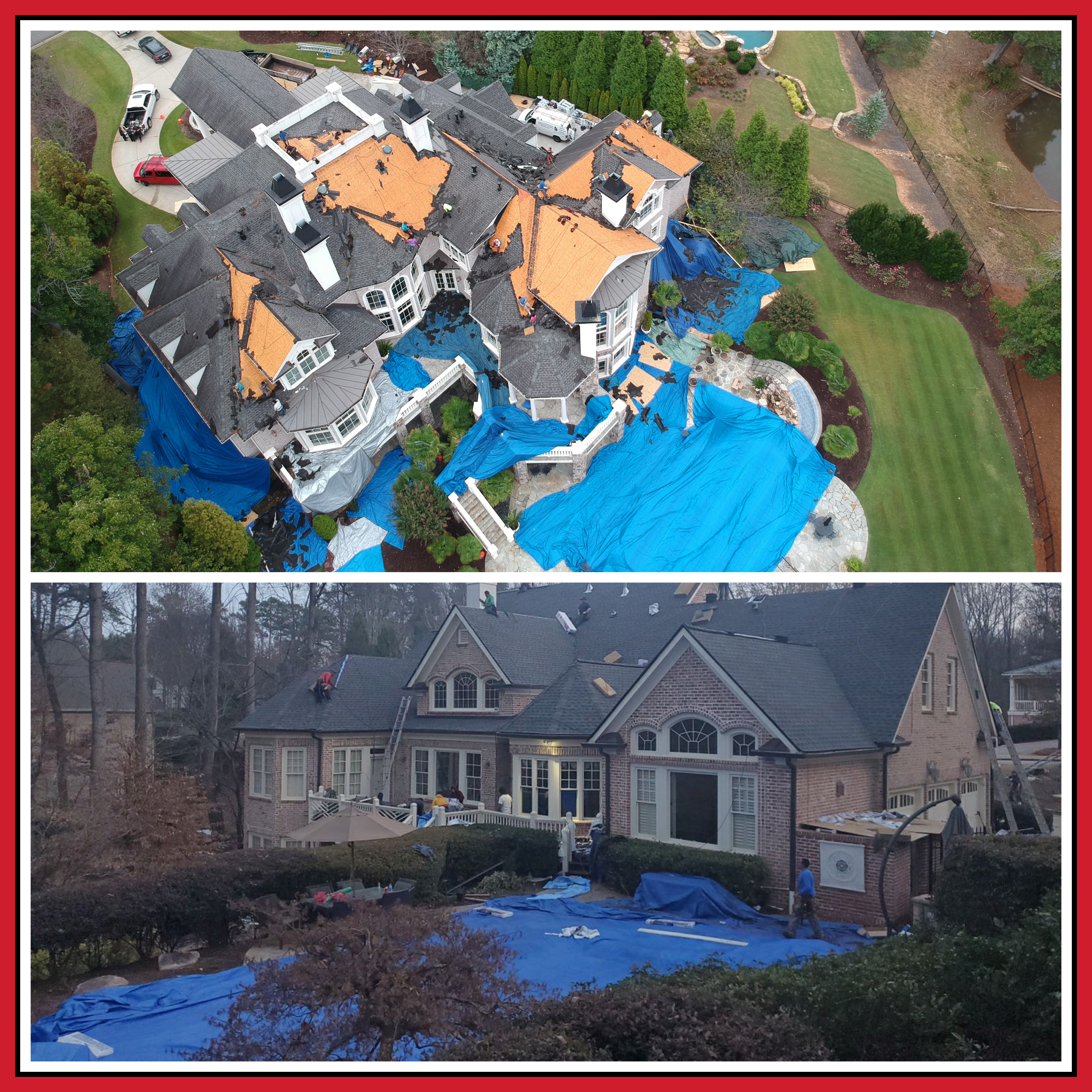
If your roof is damaged during a storm, emergency tarping within hours prevents the water intrusion that turns a $5,000 roof repair into a $25,000 interior restoration. Our crews respond within 60 minutes across metro Atlanta. Call (404) 277-1377.
Storm Emergency Supply Kit for Water Damage Mitigation
Having the right supplies on hand before a storm allows you to begin damage mitigation immediately while waiting for professional help to arrive. Keep these items accessible:
- Heavy-duty tarps (8x10 or larger): Place on the floor under active roof leaks to protect flooring and furnishings. Keep at least two tarps. Do not attempt to install tarps on the roof yourself. that is our job. Cost: $15 to $30 each.
- 5-gallon buckets (4 to 6): Place under active drips from ceiling leaks. Empty regularly during sustained rainfall. a full 5-gallon bucket weighs 40 pounds. Cost: $3 to $5 each.
- Shop vacuum (wet/dry): If you already own a wet/dry shop vacuum, it is an effective first response tool for extracting water from floors. A standard 6-gallon shop vacuum can extract water from small areas before professional equipment arrives. Cost: $60 to $150 if purchasing new.
- Towels and blankets: Use old towels and blankets to contain water spread across floors. Place them around the base of drip locations and along doorways to prevent water from spreading to adjacent rooms.
- Plastic sheeting (6-mil polyethylene): Use to protect furniture and valuables by draping over items in rooms where water may spread. Also useful for wrapping electronics and documents. A roll of 6-mil plastic sheeting from a hardware store costs $20 to $40.
- Flashlights and batteries: Storm damage often causes power outages. You need to be able to inspect your home in the dark. LED flashlights with fresh batteries. headlamps are particularly useful because they keep your hands free. Do not use candles in a structure with potential gas leaks.
- Phone charger (battery pack or car charger): You need your phone charged to call for emergency service, contact your insurance company, take damage photos, and communicate with family. A fully charged portable battery bank gives you 2 to 4 full phone charges.
- Important documents: Keep insurance policy documents, property records, and important personal documents in a waterproof container or fire safe in an easily accessible location. Better yet, have digital copies stored in the cloud.
This kit costs under $200 to assemble and can save thousands in damage mitigation by allowing you to act immediately after the storm rather than waiting helplessly for stores to open.
Wind-Resistant Roofing: Long-Term Storm Protection
If your roof is approaching replacement age (20 to 30 years for architectural shingles in Georgia), proactive replacement with wind-resistant products is the ultimate storm preparation investment.
High-wind shingle options:
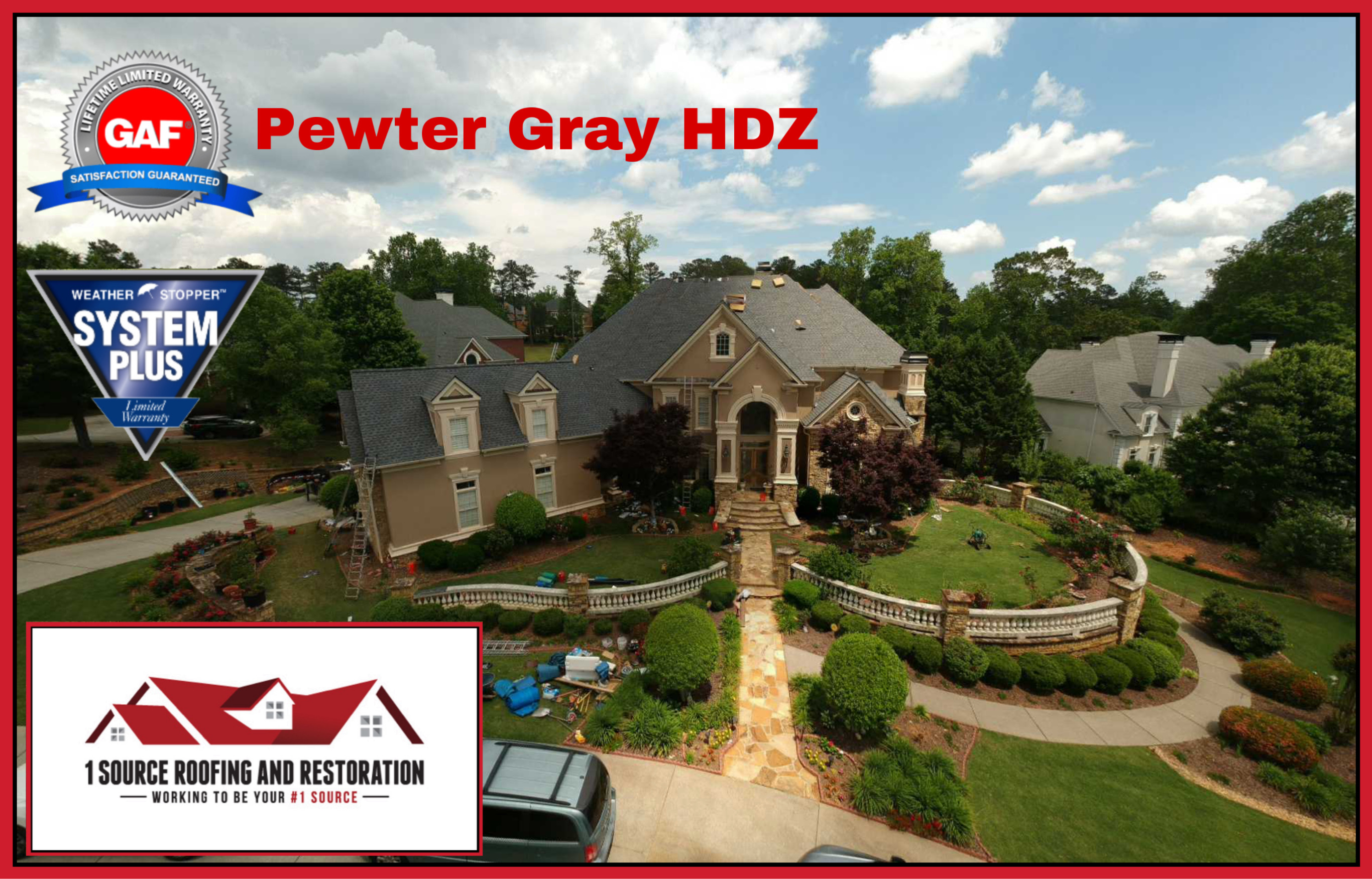
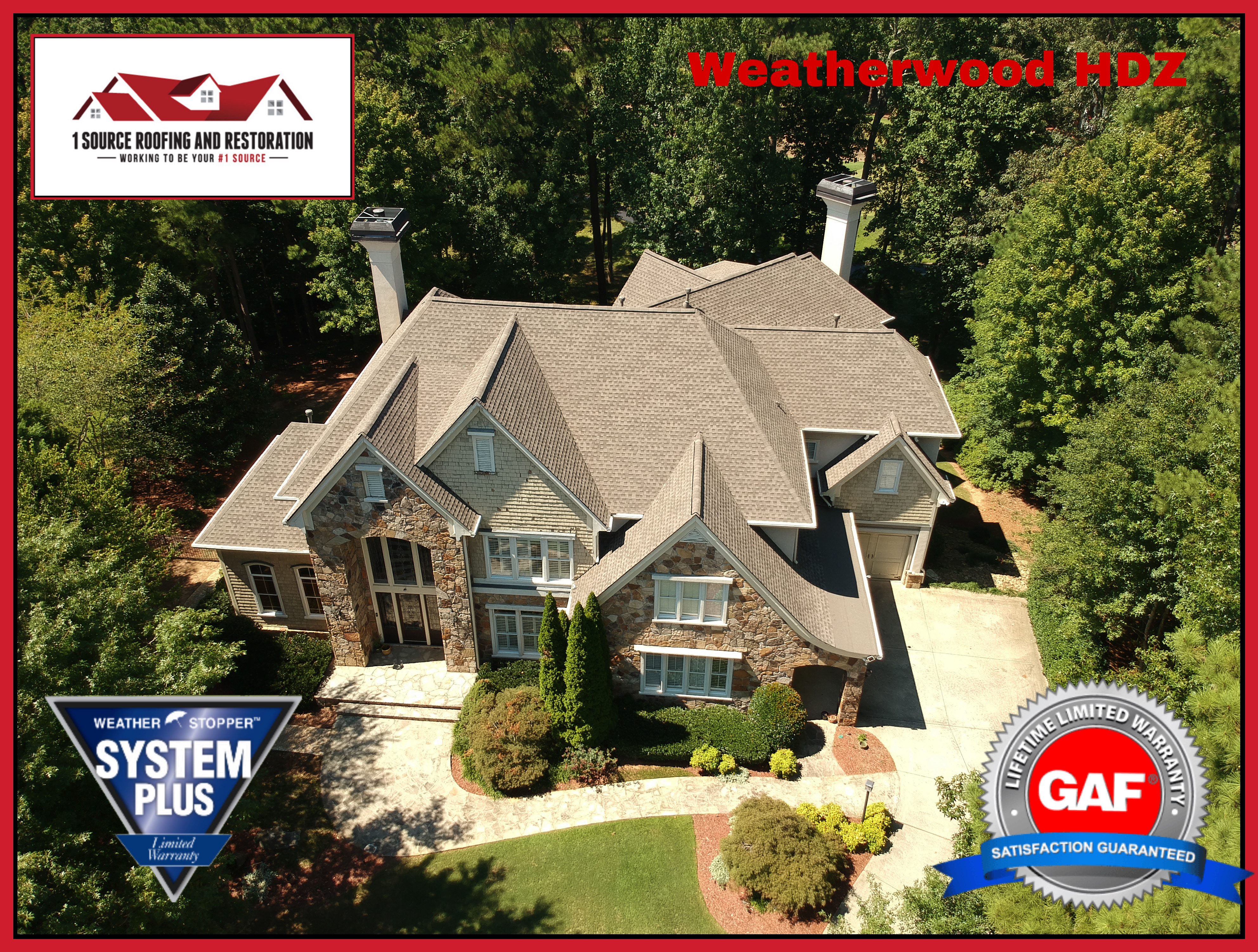
- GAF Timberline HDZ: Rated for 130 mph winds with a StrikeZone nailing area that is 600% larger than standard shingle nailing zones. This wider nailing area provides better pull-through resistance in high winds. GAF-certified contractors like 1 Source install these shingles with a specific 6-nail pattern that maximizes wind resistance.
- CertainTeed Landmark PRO: Features the NailTrak nailing line for precise nail placement and a reinforced nailing zone. Wind warranty extends to 110 mph when installed with 6 nails per shingle by a CertainTeed-certified installer.
- Impact-resistant shingles: Class 4 impact-resistant shingles (meeting UL 2218 Class 4) withstand hail impacts that would crack standard shingles. In metro Atlanta where hailstorms are common, impact-resistant shingles prevent the gradual degradation that makes standard shingles vulnerable to wind damage at their weakest points.
Installation details that affect wind resistance:
- Six-nail versus four-nail installation: Standard shingle installation uses four nails per shingle. High-wind installations use six nails. The two additional nails, placed in the shingle's reinforced nailing zone, increase pull-through resistance by 30 to 50 percent. GAF and CertainTeed both require six-nail installation for their highest wind warranties in Georgia.
- Starter strip at eaves and rakes: A properly installed starter strip provides the adhesive bond at the most vulnerable edges of the roof. Without a starter strip, the first course of shingles has no sealant strip below it and is susceptible to wind uplift.
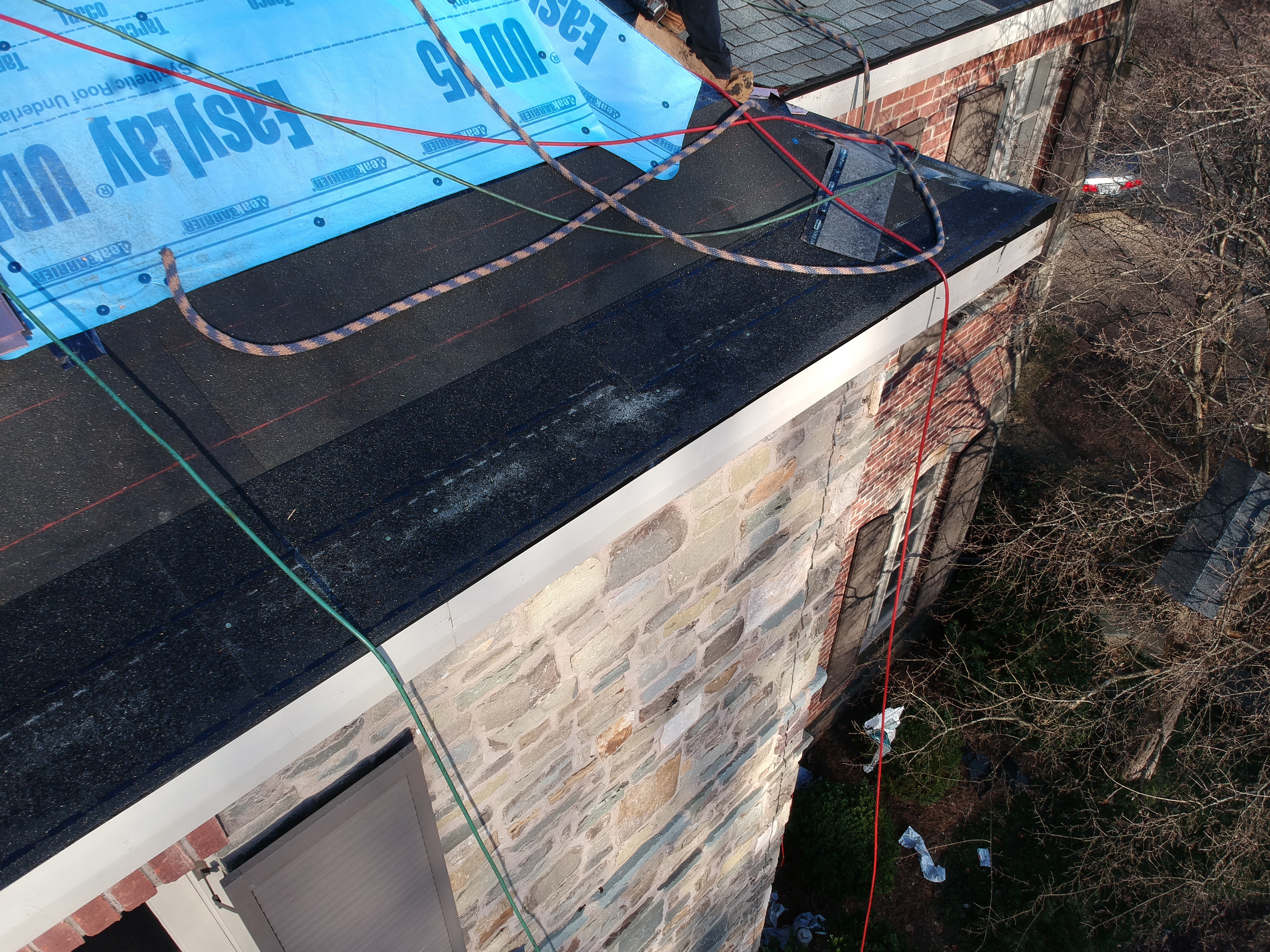
- Ice and water shield underlayment: While Georgia does not require full-roof ice and water shield, installing it at eaves, valleys, and around all penetrations provides a secondary water barrier if shingles are lifted or displaced by wind. This is the difference between wind damage that lets water through and wind damage that does not. the underlayment holds the line.
When you replace your roof with 1 Source, we install to the manufacturer's highest wind-resistance specifications. The added cost of six-nail installation and enhanced underlayment is minimal compared to the protection it provides. Call (404) 277-1377 for a replacement consultation.
Insurance Preparation Before Storm Season
Your insurance preparation should happen before you need to file a claim, not after. Here is how to position yourself for the best possible outcome if a storm damages your home:
- Review your policy before storm season: Know your deductible (many Georgia policies now have separate wind/hail deductibles that are percentage-based rather than flat dollar amounts), your dwelling coverage limit, whether you have Ordinance or Law coverage for code upgrades, and whether you have extended replacement cost coverage.
- Document your home's condition: Walk through your home with a camera and photograph every room, including ceilings, walls, and floors. Photograph the exterior of the home from all four sides, the roof from ground level, and the condition of gutters, siding, and windows. Store these photos in the cloud (Google Photos, iCloud, Dropbox) where they cannot be destroyed by the same event that damages your home. Date-stamped pre-storm photos are powerful evidence in a claim dispute.
- Maintain records of maintenance and repairs: Keep receipts from roof inspections, maintenance visits, gutter cleaning, and any repairs performed. If your insurer questions whether a roof failure was caused by the storm or by deferred maintenance, your maintenance records prove the roof was maintained.
- Understand your duties after a loss: Every Georgia homeowners policy requires you to take reasonable steps to mitigate further damage after a covered event. This means tarping the roof, extracting water, and beginning the drying process as quickly as possible. Failure to mitigate can give the insurer grounds to deny coverage for damage that occurred after the initial event. Having our number saved in your phone means you can fulfill this duty within minutes of discovering damage.
- Know the claim filing timeline: Georgia law does not impose a specific deadline for filing a homeowners claim, but your policy likely has a requirement to provide "prompt notice" of the loss. File the claim within 24 to 48 hours of discovering damage. Waiting weeks or months to file creates suspicion and complicates the claims process.
We work with every major insurance carrier operating in Georgia. When you call us after storm damage, we help you navigate the claims process from the first phone call through final payment. Our documentation packages are designed to give adjusters exactly what they need to process your claim efficiently.
Drainage System Preparation for Heavy Rain Events
Georgia's intense rainfall events overwhelm drainage systems that are undersized, poorly maintained, or obstructed. Preparing your property's drainage before storm season prevents foundation water intrusion and landscape erosion.
- French drain systems: If your property has a French drain (perforated pipe buried in a gravel trench), check the outlet point for blockage. Roots, sediment, and debris can clog the outlet. Run a garden hose into the drain inlet and verify water flows freely from the outlet. If flow is restricted, the drain line needs professional jetting or replacement.
- Yard drains and catch basins: Surface drains and catch basins in your yard collect runoff and direct it to the storm sewer or a discharge point. Check that drain grates are clear of leaves and debris. Remove the grate and clear any sediment accumulation in the basin.
- Swales and grading: Many Atlanta properties rely on surface grading and swales (shallow depressions in the landscape) to direct water away from the foundation and toward the street or a drainage easement. Over time, landscaping changes, soil settling, and erosion can alter these drainage paths. Walk the drainage path during a moderate rain and verify that water flows in the intended direction. Correct any areas where water pools or reverses direction.
- Retaining walls: Properties on slopes. common throughout metro Atlanta's hilly terrain. often have retaining walls that hold back soil and redirect water. Check retaining walls for leaning, cracking, and clogged weep holes. A failing retaining wall during a heavy rain event can send a wall of mud and water against your foundation.
- Driveway and hardscape drainage: Concrete and asphalt driveways direct rainfall runoff. If your driveway slopes toward the garage, a channel drain at the garage entrance prevents water from flowing into the garage. Check existing channel drains for debris blockage.
Georgia's red clay soil is the underlying factor in most drainage problems. When clay is saturated, it stops absorbing water entirely. Every additional drop of rain runs across the surface rather than soaking in. During a 3-inch-per-hour rainfall event (common in Atlanta summer storms), a quarter-acre lot generates hundreds of gallons of runoff per minute. If that runoff is directed toward your foundation rather than away from it, water intrusion is inevitable.
Storm Preparation FAQ
When is severe storm season in metro Atlanta?
March through September, with peak frequency in May, June, and July. Tropical weather remnants extend through October. Winter ice storms can cause significant damage in January and February, though they are less frequent.
Should I have my roof inspected before storm season?
Yes. A pre-season inspection in February or March identifies vulnerabilities before the first severe thunderstorm. Loose shingles, deteriorated flashing, and clogged gutters can all be fixed for a fraction of what storm damage restoration costs. Call (404) 277-1377 to schedule.
What should I do if I see damage after a storm?
Do not climb on the roof. Photograph visible damage from the ground. Check interior ceilings for water stains or drips. If you see water entry, place buckets and call us at (404) 277-1377. We perform emergency assessments and tarping around the clock.
Will insurance cover storm damage on a neglected roof?
Potentially disputed. Insurance covers sudden storm damage but can exclude damage where maintenance neglect contributed. Keeping records of annual inspections and maintenance strengthens your claim position. Prevention is always the better strategy.
How fast can you respond to storm damage?
Emergency crews deploy within 60 minutes of your call. During widespread storm events, we triage by severity. active water intrusion and structural compromise are prioritized. We operate 24/7, 365 days per year.
More Storm Preparation and Restoration Resources
Prevention Checklist
Room-by-room water damage prevention checklist for Atlanta homes.
Annual Roof Maintenance
Year-round maintenance to keep your roof storm-ready.
Storm Damage Restoration
Complete storm damage assessment and restoration services.
Storm Flooding Emergency
24/7 emergency response for storm flooding in your home.
Roof Leak Emergency
Emergency tarping and water extraction for active roof leaks.
Insurance Claims Help
Documentation and claims support for storm damage.
Roof Replacement
Wind-resistant roof replacement with GAF and CertainTeed products.
Claim Denied?
Steps to take when your Georgia storm damage claim is denied.
Prepare Now. React Fast. Restore Right.
Storm preparation prevents damage. Fast response limits damage. Professional restoration fixes damage right the first time. Call 1 Source Roofing and Restoration for pre-season inspections or 24/7 emergency service.